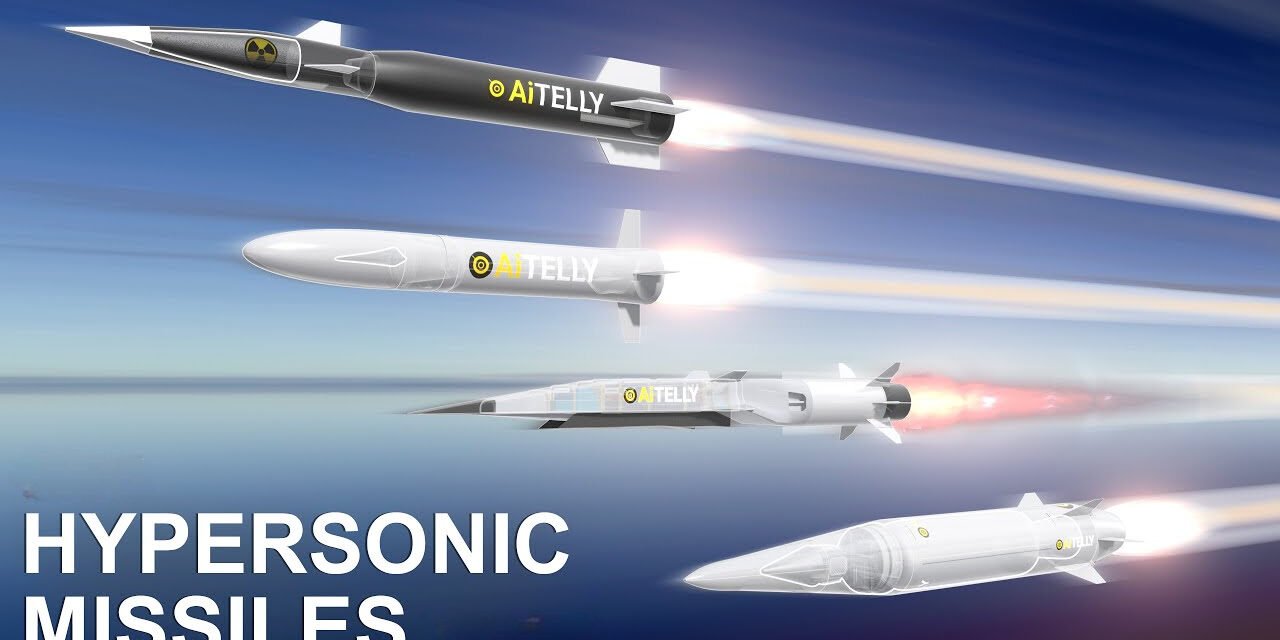
Missile defense shields face significant challenges in countering hypersonic missiles, but advancements in technology and strategies are improving their effectiveness. Hypersonic missiles, which travel at speeds exceeding Mach 5 and have highly maneuverable trajectories, pose a unique and evolving threat to modern missile defense systems.
Here’s a breakdown of how effective missile defense shields are against hypersonic missiles, along with the challenges and emerging solutions:
1. Challenges Posed by Hypersonic Missiles
A. High Speed
- Hypersonic missiles travel at speeds of 6,000–15,000 km/h, reducing the time available for detection, tracking, and interception.
- Traditional missile defense systems are often unable to react quickly enough.
B. Maneuverability
- Hypersonic missiles, particularly hypersonic glide vehicles (HGVs), can alter their trajectory mid-flight, making it difficult for interceptors to predict their path.
- Maneuverability complicates tracking and targeting, even with advanced radar systems.
C. Low-Altitude Flight
- Hypersonic missiles often fly at lower altitudes compared to ballistic missiles, evading detection by traditional early warning radars and space-based sensors designed for high-altitude tracking.
D. Heat and Plasma Effects
- Hypersonic speeds generate intense heat and plasma around the missile, which can interfere with radar tracking and infrared detection systems.
2. Current Missile Defense Systems and Their Limitations
A. Ballistic Missile Defense (BMD) Systems
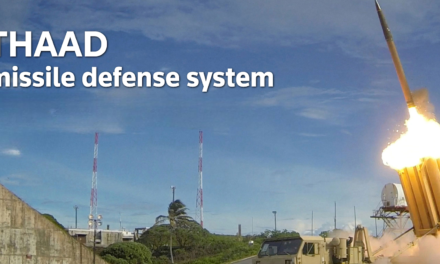
- Systems like THAAD, Patriot PAC-3, and Aegis BMD are optimized for ballistic missile trajectories.
- These systems struggle to handle the unpredictability and speed of hypersonic missiles.
B. Early Warning Systems
- Traditional radar systems like AN/TPY-2 are effective for high-altitude threats but may not detect low-altitude hypersonic missiles until they are closer to their target, reducing reaction time.
C. Lack of Dedicated Hypersonic Interceptors
- Most interceptors are designed for predictable trajectories (e.g., ballistic missiles) and lack the speed and agility to counter maneuverable hypersonic threats.
3. Emerging Missile Defense Technologies
To improve effectiveness against hypersonic missiles, new technologies and strategies are being developed:
A. Space-Based Sensors
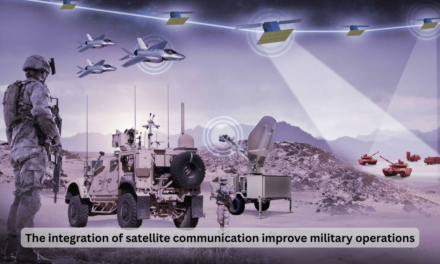
- Satellites in low Earth orbit (LEO) can track hypersonic missiles throughout their flight, including the glide phase.
- Example: The U.S. Hypersonic and Ballistic Tracking Space Sensor (HBTSS) program aims to enhance detection and tracking capabilities.
B. Advanced Radars
- Next-generation radars like the SPY-6 and LTAMDS (Lower Tier Air and Missile Defense Sensor) are designed to detect low-altitude, fast-moving threats.
- High-resolution tracking improves the chances of successful interception.
C. Directed Energy Weapons
- High-energy lasers (HEL) and microwave weapons are being developed to intercept hypersonic missiles in their boost or terminal phase.
- Example: U.S. HELWS (High-Energy Laser Weapon Systems) is under development for future applications.
D. Hypersonic Interceptors
- Interceptors specifically designed for hypersonic threats are in development.
- Example: The U.S. Glide Phase Interceptor (GPI) is intended to target HGVs during their glide phase.
E. Artificial Intelligence (AI)
- AI improves real-time decision-making, tracking, and target prediction, compensating for the short response time in hypersonic engagements.
- AI-driven systems enhance data processing from multiple sensors for faster threat analysis.
4. Potential Countermeasures
A. Boost-Phase Interception
- Intercepting missiles during their boost phase (when engines are active) is ideal, as they are slower and easier to track.
- Systems like airborne lasers or space-based interceptors could play a role, though these technologies are still in experimental stages.
B. Layered Defense
- Combining systems like Aegis SM-3 for midcourse defense and THAAD or Patriot for terminal phase defense offers layered protection.
- Layered approaches increase interception opportunities at different phases of flight.
C. Space-Based Interception
- Space-based interceptors provide a persistent presence for countering threats globally, though such systems raise geopolitical and ethical concerns.
5. International Efforts in Hypersonic Missile Defense
- United States:
- Developing the Next-Generation Interceptor (NGI) and GPI to counter hypersonic threats.
- Enhancing radar systems like SPY-6 and space-based tracking programs.
- Russia:
- Developing counter-hypersonic systems alongside its hypersonic missile arsenal.
- China:
- Investing in advanced detection and interception technologies for both offensive and defensive applications.
- NATO:
- Emphasizing collective defense strategies and interoperability of missile defense systems.
6. Effectiveness Against Hypersonic Missiles
While missile defense systems are improving, current capabilities are limited against hypersonic missiles. Success depends on:
- Early detection and accurate tracking.
- Rapid decision-making and response.
- Development of dedicated hypersonic missile defense systems.
7. Challenges in Hypersonic Defense
- Cost: Developing and deploying hypersonic defense systems is expensive, with interceptors costing millions per unit.
- Proliferation: As more nations develop hypersonic weapons, the threat environment becomes increasingly complex.
- Overcoming Countermeasures: Decoys and stealth features make hypersonic missiles harder to intercept.
Missile defense against hypersonic threats is a rapidly advancing field, with significant progress in detection, tracking, and interception technologies. While current systems face limitations, emerging solutions like hypersonic-specific interceptors, AI-driven decision-making, and space-based sensors hold promise for improving defense capabilities in the near future. Global collaboration and sustained investment will be critical in addressing this evolving challenge.