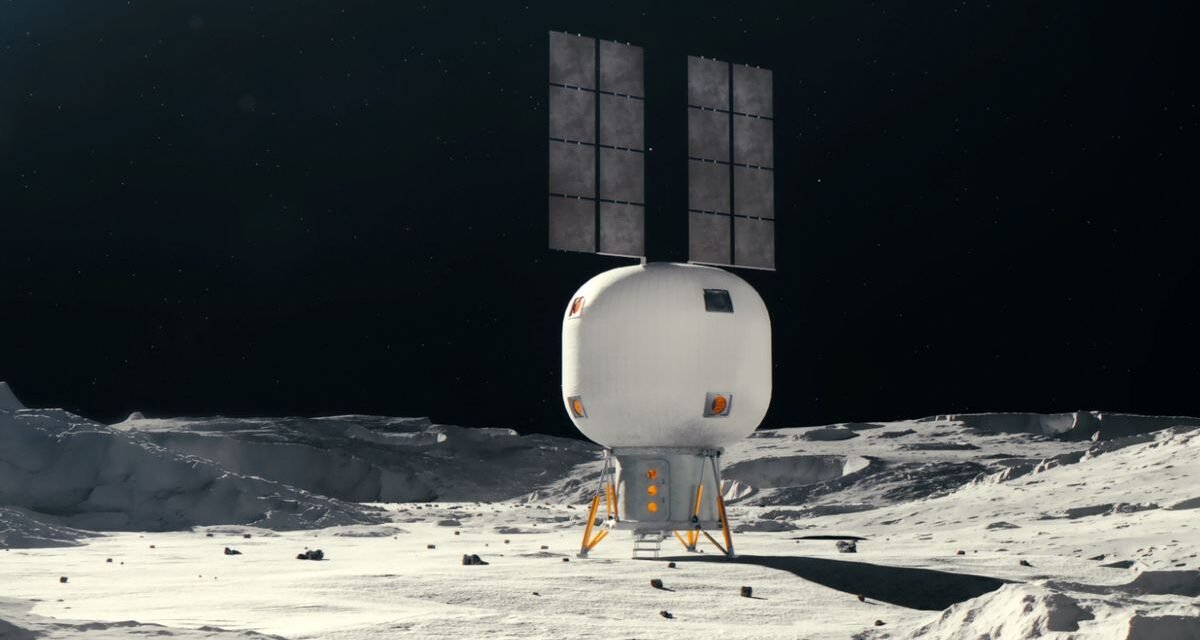
Designing long-duration space habitats for humans poses a range of complex challenges, requiring innovative engineering solutions to ensure safety, health, and sustainability in extreme space environments. These challenges include addressing environmental, physiological, psychological, and logistical factors:
1. Life Support Systems
Challenges:
- Oxygen Supply: Generating and recycling oxygen to sustain human life.
- Water Management: Recycling water from waste and condensation while ensuring purity.
- Food Production: Developing systems to grow and store sufficient food for long durations in limited space.
- Waste Management: Efficiently processing and recycling human and operational waste.
Engineering Solutions:
- Closed-loop life support systems like NASA’s Environmental Control and Life Support System (ECLSS).
- Advanced hydroponics and aeroponics for space agriculture.
- Water reclamation systems that recover water from urine and humidity.
2. Radiation Protection
Challenges:
- Exposure to cosmic rays and solar radiation, which increase cancer and other health risks.
- Difficulty in providing adequate shielding without adding excessive weight.
Engineering Solutions:
- Use of lightweight shielding materials, such as polyethylene or regolith-based composites.
- Positioning critical living areas behind water tanks or supplies for radiation absorption.
- Magnetic shielding or active radiation deflection technologies under development.
3. Microgravity Effects
Challenges:
- Muscle atrophy and bone density loss due to lack of gravity.
- Fluid redistribution leading to vision problems and other health issues.
- Difficulty in performing routine tasks in microgravity.
Engineering Solutions:
- Centrifugal artificial gravity systems that simulate gravity through rotation.
- Advanced exercise equipment like resistive bands and treadmills.
- Ergonomic designs for interiors to support microgravity mobility.
4. Thermal Regulation
Challenges:
- Extreme temperature variations in space, ranging from -150°C to over 120°C (-238°F to 248°F).
- Preventing heat buildup from onboard systems and human activity.
Engineering Solutions:
- Multi-layer insulation (MLI) and thermal control coatings on habitat surfaces.
- Heat pipes and radiators to dissipate excess heat efficiently.
- Active thermal control systems that balance temperature across the habitat.
5. Psychological Well-being
Challenges:
- Isolation, confinement, and limited social interaction can cause stress and mental health issues.
- Monotony of environment and lack of sensory stimuli.
Engineering Solutions:
- Modular designs to create separate living, working, and recreational spaces.
- Inclusion of windows for Earth views or simulated outdoor environments using VR/AR.
- Rotational schedules and recreational activities to maintain mental health.
6. Structural Integrity and Safety
Challenges:
- Space habitats must withstand micrometeoroid impacts, space debris, and internal pressure differences.
- Longevity of materials in the harsh space environment, including exposure to vacuum and radiation.
Engineering Solutions:
- Multi-layered materials with high tensile strength and impact resistance, such as Kevlar or aluminum composites.
- Regolith-based 3D printing for building protective outer shells on the Moon or Mars.
- Redundancy in critical systems to ensure fail-safes.
7. Energy Generation and Storage
Challenges:
- Continuous power requirements for life support, systems, and research activities.
- Lack of sunlight in deep space or polar regions of the Moon and Mars.
Engineering Solutions:
- Solar panels with high-efficiency photovoltaic cells and energy storage in lithium-ion or advanced batteries.
- Small nuclear reactors like NASA’s Kilopower for consistent energy in low-sunlight environments.
8. Logistics and Resupply
Challenges:
- Limited capacity for carrying supplies and spares from Earth.
- Dependence on resupply missions, especially for distant habitats on Mars or beyond.
Engineering Solutions:
- On-site resource utilization (ISRU), such as extracting water or oxygen from the Moon or Mars.
- 3D printing for manufacturing tools, spare parts, and habitat components in space.
- Efficient inventory management systems for long-term planning.
9. Communication and Data Transmission
Challenges:
- Signal delays for habitats located far from Earth, such as on Mars (up to 20 minutes each way).
- Reliance on stable and secure communication networks for operations and emergency responses.
Engineering Solutions:
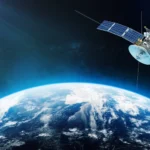
- Relay satellites to ensure continuous communication.
- AI-driven systems for autonomous operations and decision-making during communication delays.
- High-bandwidth laser communication for faster data transmission.
10. Scaling for Population Growth
Challenges:
- Scaling habitats to accommodate larger crews or future settlers.
- Ensuring resource availability as populations grow.
Engineering Solutions:
- Modular habitats that can be expanded incrementally.
- Scalable life support and energy systems to support increased populations.
- Integration of resource harvesting and manufacturing technologies.
11. Cost and Feasibility
Challenges:
- High costs associated with launching, constructing, and maintaining space habitats.
- Limited budgets for research and testing.
Engineering Solutions:
- Reusable launch systems like SpaceX’s Falcon and Starship to reduce costs.
- Lightweight, compact materials to minimize launch payloads.
- International and private-sector partnerships to share costs and expertise.
Designing long-duration space habitats requires solving a diverse array of challenges, from maintaining life support to ensuring psychological well-being. These efforts involve cutting-edge materials, innovative technologies, and multidisciplinary collaboration. Addressing these challenges will not only make long-term space exploration feasible but also provide insights into sustainable living practices for Earth.