Mobile missile defense systems provide critical strategic advantages on the battlefield by enhancing operational flexibility, improving survivability, and enabling rapid deployment to counter evolving threats. Here’s how these systems contribute to battlefield strategy:
1. Mobility and Flexibility
- Rapid Deployment: Mobile missile defense systems can be quickly deployed to various locations, allowing forces to respond to dynamic threats and shifting battlefronts.
- Adaptability to Terrain: These systems can operate across diverse terrains, including urban, desert, or mountainous regions, ensuring coverage in any operational theater.
- Versatility in Missions: Mobile systems can protect static assets (e.g., bases) or accompany moving units, providing protection during offensive and defensive operations.
2. Survivability
- Reduced Targetability: Mobility allows systems to relocate frequently, reducing their exposure to enemy detection, targeting, and pre-emptive strikes.
- Dispersed Operations: Mobile systems enable distributed defense, making it harder for adversaries to target multiple units simultaneously.
3. Quick Reaction Capability
- Real-Time Threat Neutralization: Equipped with advanced radar and tracking systems, mobile missile defense units can detect, track, and intercept incoming missiles in real-time.
- Short Setup Times: Modern systems are designed for rapid deployment and activation, minimizing response times to emerging threats.
4. Enhanced Coverage
- Area Defense: Mobile units can be repositioned to cover critical infrastructure, troop formations, or civilian populations, providing tailored protection based on mission needs.
- Layered Defense Integration: Mobile systems often operate as part of a layered missile defense network, working in conjunction with fixed, airborne, and naval systems for comprehensive coverage.
5. Countering Diverse Threats
- Ballistic Missiles: Mobile systems like the THAAD (Terminal High Altitude Area Defense) are optimized to intercept ballistic missiles during their terminal phase.
- Cruise Missiles: Systems such as the Patriot missile defense platform are capable of neutralizing low-flying cruise missiles.
- Unmanned Aerial Systems (UAS): Mobile defenses increasingly integrate capabilities to detect and destroy drones, a growing battlefield threat.
6. Integration with Command and Control Systems
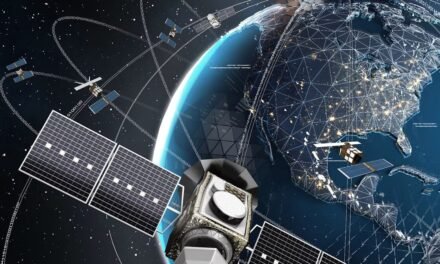
- Network-Centric Warfare: Mobile missile defense units are integrated with advanced command and control (C2) systems, enabling seamless coordination with other military assets.
- Data Sharing: Real-time intelligence and targeting data from multiple sensors enhance situational awareness and improve interception success rates.
7. Deterrence
- Credible Defense: The presence of mobile missile defense systems signals a nation’s or force’s ability to protect its assets, deterring adversaries from launching missile attacks.
- Psychological Impact: Adversaries may hesitate to deploy missile strikes knowing that defense systems can intercept and neutralize their efforts.
8. Cost-Effectiveness
- Minimized Damage Costs: By intercepting threats before impact, mobile missile defense systems reduce the damage to critical infrastructure, assets, and human lives.
- Scalability: Mobile systems can be deployed selectively to high-risk areas, optimizing resource allocation without requiring a vast network of fixed defenses.
9. Strategic Edge in Coalition Operations
- Interoperability: Mobile systems, such as those in NATO’s missile defense architecture, are often interoperable, allowing coalition forces to establish integrated defense networks.
- Force Multiplier: Their deployment enhances the collective defensive capabilities of allied forces, strengthening joint mission effectiveness.
10. Future-Proofing Against Emerging Threats
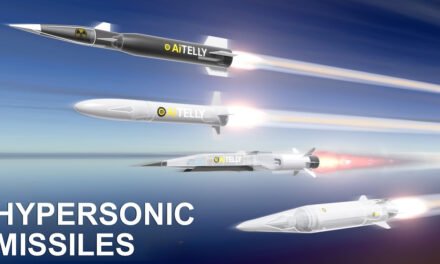
- Hypersonic Missile Defense: Mobile systems are being upgraded to counter hypersonic threats with improved tracking and interception technologies.
- Artificial Intelligence (AI) Integration: AI-driven threat analysis and decision-making enable faster and more accurate responses to incoming threats.
- Multi-Domain Operations: Advanced mobile systems are designed to operate effectively in integrated air, land, sea, and cyber environments.