Reusable rockets have revolutionized the space industry by significantly reducing the cost of space missions. This cost reduction is achieved by recovering and reusing expensive rocket components that were traditionally discarded after each launch. Here’s an in-depth look at how reusable rockets contribute to cost savings:
1. Reduction in Manufacturing Costs
- Reuse of Key Components:
- Components like rocket engines, fuel tanks, and avionics are among the most expensive parts of a rocket. Reusing them eliminates the need to manufacture new parts for every mission.
- Economies of Scale:
- With the same hardware used across multiple launches, production costs are spread over several missions, driving down the cost per launch.
2. Lower Development Costs for New Rockets
- Incremental Innovation:
- Reusable rockets allow for iterative design improvements on recovered components, reducing the need for entirely new rocket systems.
- Streamlined Supply Chain:
- With fewer new parts needed, the supply chain becomes simpler and less costly to manage.
3. Decreased Material Waste
- Environmental Benefits:
- Reusability reduces waste generated by discarded rocket stages, cutting costs associated with environmental compliance and cleanup.
- Sustainable Practices:
- Long-term reusability supports sustainable space operations, making frequent launches feasible without exhausting resources.
4. Operational Cost Savings
- Recovery and Refurbishment:
- Instead of building new components, recovered rocket stages are refurbished at a fraction of the cost.
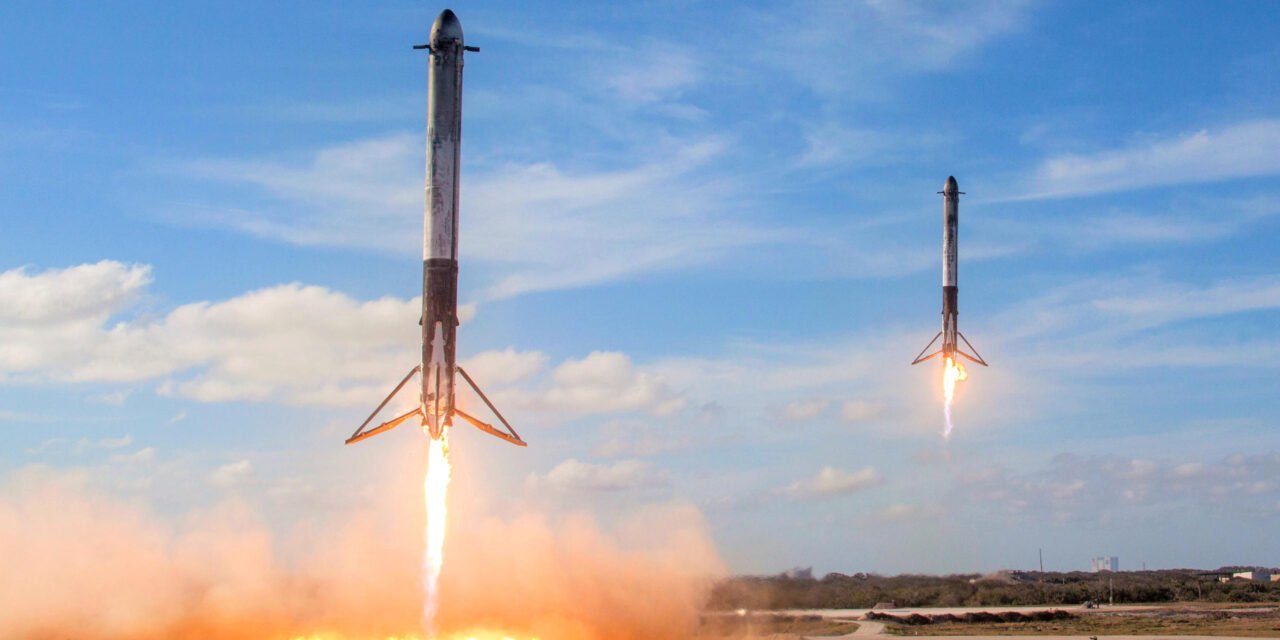
- For example, SpaceX reports refurbishment costs for Falcon 9 rockets to be much lower than manufacturing new stages.
- Reduced Turnaround Times:
- Reusable rockets are designed for quick turnaround, enabling faster mission schedules and reducing operational downtime.
5. Increased Launch Frequency
- Scaling Launch Services:
- Reusable rockets enable more frequent launches by reducing production bottlenecks, which drives down costs further through increased utilization.
- Affordable Access to Space:
- Companies and organizations can afford more missions, fostering innovation and the development of satellite constellations, space exploration, and commercial ventures.
6. Market Competitiveness
- Lower Launch Prices:
- Reusable rockets have drastically reduced launch prices. For example, SpaceX’s reusable Falcon 9 rocket has brought the cost of sending a payload to orbit down to about $2,600 per kilogram, compared to $10,000–$20,000 per kilogram for expendable rockets.
- Boosting New Entrants:
- Reduced costs lower barriers for small businesses and startups to access space, fueling innovation across industries.
7. Enabling New Mission Profiles
- Massive Payloads:
- With reduced costs, launching larger payloads or even multiple payloads in a single mission becomes feasible.
- Ambitious Exploration:
- Lower costs allow for high-risk, high-reward missions, such as deep-space exploration, asteroid mining, and lunar or Martian colonization.
8. Examples of Reusable Rocket Programs
- SpaceX:
- Falcon 9 and Falcon Heavy rockets have redefined launch economics by successfully reusing first stages multiple times.
- Starship, designed for 100% reusability, aims to cut costs further and support interplanetary missions.
- Blue Origin:
- New Shepard and New Glenn rockets focus on reusability for suborbital and orbital missions.
- Rocket Lab:
- Electron rocket recovery efforts aim to transition from expendable to partially reusable systems.
- NASA:
- The Space Shuttle was an early example of partial reusability, though its high refurbishment costs highlighted the need for more efficient systems.
9. Challenges to Reusability
- Development Costs:
- Designing reusable systems involves higher upfront R&D costs.
- Refurbishment Complexity:
- Extensive refurbishments can offset some cost savings, though advancements aim to minimize this.
- Performance Trade-Offs:
- Reusability may require sacrificing some payload capacity due to added structural reinforcements and fuel for landing maneuvers.
10. Future Outlook
- Full Reusability:
- Systems like SpaceX’s Starship aim for complete reusability, where both the first and second stages are recoverable.
- Lower Costs per Launch:
- Increased competition among reusable launch providers is expected to drive costs even lower.
- Global Accessibility:
- Affordable launch services will democratize access to space, fostering international collaboration and innovation.