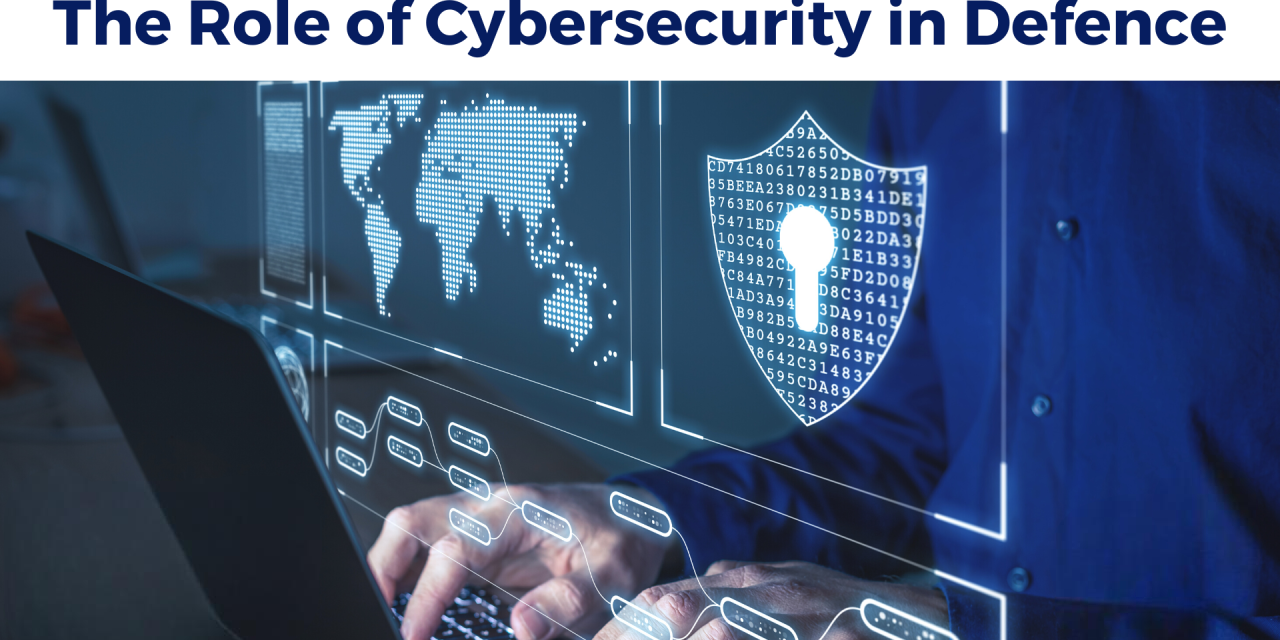
Cybersecurity is a critical pillar in protecting military communication systems, ensuring the confidentiality, integrity, and availability of information in highly sensitive and contested environments. Military operations rely heavily on secure communication systems for coordination, command, and control, and any compromise in these systems can lead to catastrophic outcomes. Here’s how cybersecurity safeguards military communication systems:
1. Ensuring Confidentiality
- Data Encryption:
- Strong encryption protocols protect communication from interception and unauthorized access.
- Example: End-to-end encryption in tactical radios and satellite communications (SATCOM) ensures secure data transmission.
- Secure Key Management:
- Proper distribution and management of encryption keys prevent adversaries from deciphering encrypted communications.
- Secure Channels:
- Virtual private networks (VPNs) and secure sockets ensure protected pathways for data transfer over public or shared networks.
2. Maintaining Integrity
- Data Authentication:
- Cryptographic algorithms verify the authenticity of messages and prevent spoofing or impersonation.
- Example: Digital signatures ensure that a command originates from an authorized source.
- Tamper Detection:
- Systems include mechanisms to detect and respond to unauthorized attempts to alter messages or communication devices.
- Error Correction:
- Cybersecurity systems detect and rectify corrupted data, ensuring reliable communication.
3. Guaranteeing Availability
- Denial-of-Service (DoS) Protection:
- Systems are designed to resist or mitigate DoS attacks that could disrupt communication channels.
- Redundant Networks:
- Redundancy and failover mechanisms ensure continued communication in the event of cyberattacks or hardware failures.
- Adaptive Bandwidth Management:
- Dynamic allocation of bandwidth ensures communication remains operational during high-demand or contested scenarios.
4. Defending Against Cyberattacks
- Intrusion Detection and Prevention Systems (IDPS):
- Monitor and analyze traffic for malicious activities, stopping attacks before they impact systems.
- Firewalls and Access Controls:
- Protect military networks from unauthorized access and limit internal threats by segmenting networks.
- Anti-Malware Solutions:
- Prevent and remove malicious software that could compromise communication systems.
5. Securing Network-Centric Warfare
- Real-Time Data Sharing:
- Cybersecurity ensures secure data transmission between interconnected assets like drones, tanks, and command centers.
- Interoperability Protection:
- Safeguarding communication in joint operations where forces from different nations share information across networks.
- Resilience Against Electronic Warfare:
- Cyber defenses protect systems from jamming, spoofing, or interference by adversaries.
6. Protecting Tactical Communication
- Secure Tactical Radios:
- Cybersecurity ensures that portable communication devices used by soldiers are resistant to eavesdropping and jamming.
- Frequency Hopping:
- Dynamic frequency changes prevent adversaries from intercepting or jamming communications.
- Mobile Ad Hoc Networks (MANETs):
- Decentralized networks used in battlefield scenarios are fortified with encryption and authentication protocols.
7. Safeguarding Strategic Communication
- Satellite Communication (SATCOM):
- Encrypted satellite links ensure secure global communication for command and control.
- Example: Protected MILSTAR satellites used by the U.S. military.
- Undersea Cables:
- Cybersecurity measures defend against physical and cyber threats to critical undersea communication infrastructure.
8. Countering Insider Threats
- User Authentication:
- Multifactor authentication ensures only authorized personnel access communication systems.
- Activity Monitoring:
- Continuous monitoring detects suspicious behavior by insiders with access to sensitive communication networks.
- Data Loss Prevention (DLP):
- Systems prevent unauthorized transfer of classified information outside secure environments.
9. Enhancing Resilience Through Cybersecurity
- Incident Response Plans:
- Military organizations prepare for potential breaches with predefined strategies for containment, mitigation, and recovery.
- Cyber Threat Intelligence (CTI):
- Proactive monitoring and analysis of emerging threats ensure systems remain ahead of adversary tactics.
- Cyber Training and Awareness:
- Educating personnel on cybersecurity best practices reduces human error, a major vulnerability in communication systems.
10. Addressing Advanced Persistent Threats (APTs)
- Zero Trust Architecture:
- Assumes no trust within or outside the network, requiring continuous verification of all users and devices.
- AI and Machine Learning:
- Automated systems detect anomalous patterns indicative of sophisticated cyberattacks.
- Supply Chain Security:
- Ensuring all components of communication systems are free from vulnerabilities introduced during production.
11. Cybersecurity in Emerging Technologies
- Quantum Communication:
- Military systems explore quantum encryption for virtually unbreakable communication security.
- 5G Networks:
- Securing next-generation networks used in military operations against cyber threats and interference.
- IoT Devices:
- Cyber defenses for interconnected sensors and devices in military networks ensure operational security.
12. Cyber Warfare and Offensive Capabilities
- Defensive Countermeasures:
- Cybersecurity teams neutralize attacks in real-time, maintaining operational readiness.
- Proactive Defense:
- Offensive cyber operations target adversary systems to disrupt their communication and command capabilities.
Strategic Importance
- Operational Continuity:
- Ensures uninterrupted communication between commanders, units, and allied forces, critical for mission success.
- Force Protection:
- Protects sensitive information about troop movements, strategies, and locations from adversaries.
- Strategic Advantage:
- Secure communication systems provide a technological edge in highly contested environments.
Conclusion
Cybersecurity is indispensable for military communication systems, ensuring that these critical networks remain secure, reliable, and resilient against an increasingly sophisticated range of cyber threats. By combining advanced technologies, best practices, and proactive defense measures, military forces can maintain a strategic advantage and protect their most vital asset—information.
Hashtags
#CyberSecurityDefense #MilitaryCyberSecurity #DefenseCyberTech #SecureDefenseSystems #CyberWarfareProtection #MilitaryCommunicationSystems #SecureCommunication #MilitaryCommsSecurity #EncryptedDefenseNetworks #SecureMilitaryComms #DefenseCommunicationTech #ThreatDetectionAndPrevention #CyberThreatDetection #NetworkProtection #CyberAttackPrevention #ThreatMitigationTech