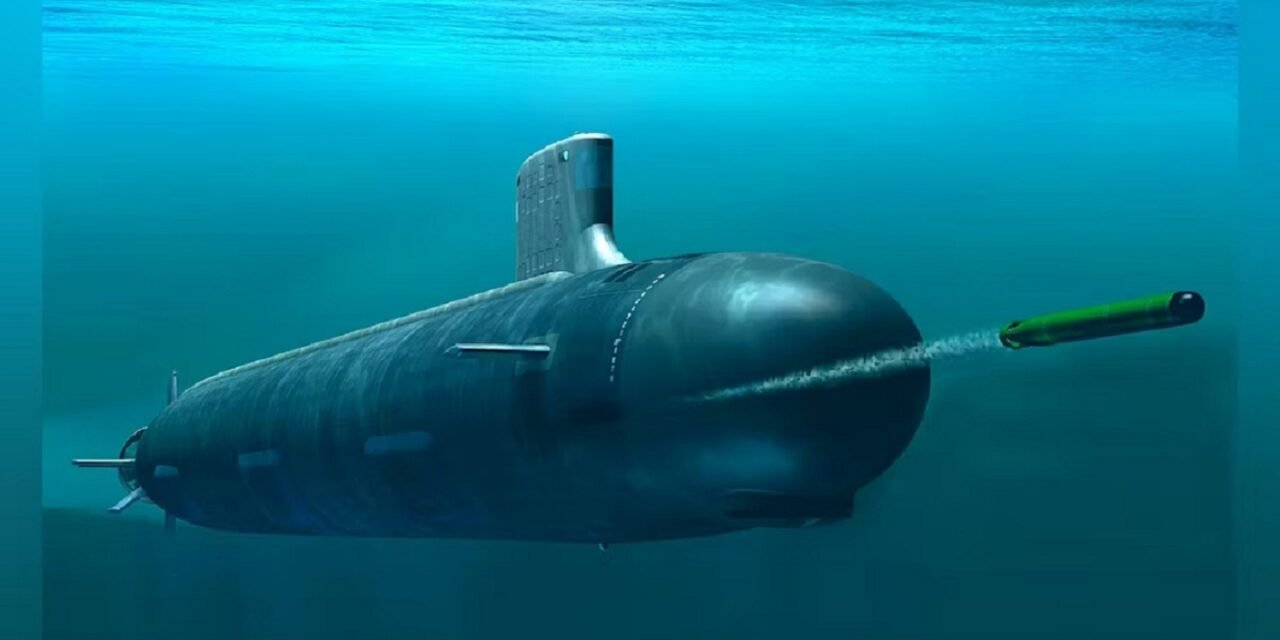
Unmanned Underwater Vehicles (UUVs) play a crucial and expanding role in naval defense operations, enhancing situational awareness, force projection, and operational efficiency while reducing risks to human personnel. Their versatility and ability to operate in challenging underwater environments make them invaluable for a range of missions. Here’s an overview of the roles and applications of UUVs in naval defense:
1. Intelligence, Surveillance, and Reconnaissance (ISR)
- Role: UUVs gather critical data about enemy activities, underwater terrain, and potential threats.
- Applications:
- Conduct covert surveillance near adversary waters or naval bases.
- Monitor sea lanes and chokepoints for hostile submarine or ship movements.
- Example:
- Boeing Echo Voyager: A large UUV capable of long-duration ISR missions in deep water.
2. Anti-Submarine Warfare (ASW)
- Role: UUVs assist in detecting, tracking, and neutralizing enemy submarines.
- Applications:
- Use passive and active sonar to locate submarines and relay data to manned platforms.
- Deploy as expendable units for persistent monitoring in high-risk areas.
- Example:
- SeaWolf UUV: Designed to track quiet submarines in contested waters.
3. Mine Countermeasures (MCM)
- Role: UUVs safely detect, identify, and neutralize naval mines without putting human divers or manned vessels at risk.
- Applications:
- Scan the seabed and water columns using sonar and imaging technologies.
- Mark or destroy mines autonomously.
- Example:
- REMUS 100: A compact UUV widely used for mine detection and clearance.
4. Seabed Operations
- Role: UUVs conduct operations on or near the seabed to monitor infrastructure, deploy sensors, or carry out specialized tasks.
- Applications:
- Inspect and protect underwater cables, pipelines, and critical infrastructure.
- Deploy seabed sensors for surveillance or scientific research.
- Example:
- Orca XLUUV: A large UUV capable of seabed operations and payload delivery.
5. Maritime Domain Awareness (MDA)
- Role: UUVs enhance situational awareness in littoral and open-sea environments by monitoring underwater and surface activity.
- Applications:
- Patrol strategic maritime zones to detect illegal activities like smuggling or unauthorized fishing.
- Monitor marine traffic and environmental changes in sensitive regions.
- Example:
- Bluefin-12: A modular UUV for persistent MDA operations.
6. Payload Delivery
- Role: UUVs transport and deploy payloads such as sensors, weapons, or supplies in covert or high-risk scenarios.
- Applications:
- Deliver torpedoes or depth charges in anti-submarine warfare.
- Deploy surveillance equipment in contested areas.
- Example:
- Orca XLUUV: Designed for modular payloads, including weapons.
7. Search and Rescue (SAR)
- Role: UUVs assist in locating and recovering lost assets, wreckage, or personnel.
- Applications:
- Map and identify underwater debris or wreckage.
- Locate black boxes from downed aircraft or sunken ships.
- Example:
- REMUS 600: Used in the search for the wreckage of Air France Flight 447.
8. Force Multiplication
- Role: UUVs extend the operational reach and capabilities of manned platforms, acting as force multipliers in contested environments.
- Applications:
- Operate alongside submarines and surface ships to enhance detection and response capabilities.
- Provide autonomous support in multi-domain operations.
- Example:
- Knifefish UUV: Complements surface ships in mine countermeasures missions.
9. Decoy and Deception
- Role: UUVs can mimic submarines or surface vessels to confuse and mislead adversaries.
- Applications:
- Act as decoys to draw enemy attention or trigger false responses.
- Simulate submarine operations to mislead enemy sonar and intelligence systems.
- Example:
- Mk 39 Expendable Mobile ASW Training Target (EMATT): Mimics submarine acoustic signatures.
10. Research and Development
- Role: UUVs support research for developing new naval technologies and improving underwater operations.
- Applications:
- Test and validate new sonar systems, propulsion methods, and underwater communication protocols.
- Conduct hydrographic surveys to inform future naval missions.
- Example:
- Hugin UUV: Used for scientific research and naval applications.
Advantages of UUVs in Naval Defense
- Stealth and Covert Operations:
- Operate silently and undetected, ideal for reconnaissance and ISR missions.
- Reduced Risk to Personnel:
- Perform dangerous tasks like mine clearance or operations in contested waters without endangering human lives.
- Cost-Effectiveness:
- Lower operational costs compared to manned vessels or aircraft.
- Autonomy and Persistence:
- Capable of long-duration missions with minimal human intervention.
Challenges in UUV Deployment
- Autonomy and Decision-Making:
- Enhancing UUV autonomy to adapt to dynamic underwater environments is a technological challenge.
- Communication and Navigation:
- Limited by underwater communication constraints and the absence of GPS below the surface.
- Counter-UUV Measures:
- Adversaries are developing technologies to detect and neutralize UUVs.
- Power Supply:
- Ensuring sufficient energy for extended missions while maintaining a compact design.