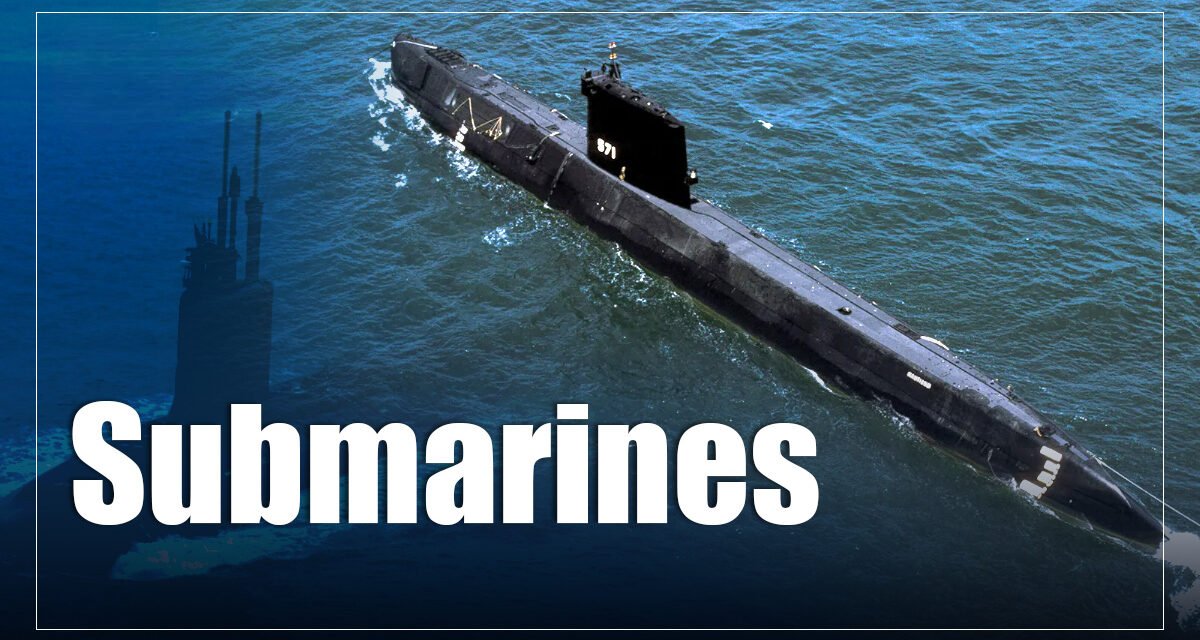
Submarines play a vital role in naval defense strategies, offering unparalleled stealth, versatility, and operational reach. They perform a range of strategic, tactical, and covert missions that are essential for maintaining maritime dominance, deterring adversaries, and safeguarding national security. Here’s an overview of their roles:
1. Strategic Deterrence
- Role: Submarines serve as a critical component of a nation’s nuclear triad, providing a secure second-strike capability.
- How They Operate:
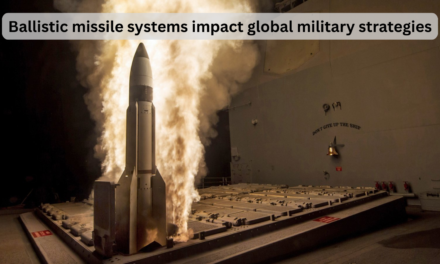
- Equipped with Submarine-Launched Ballistic Missiles (SLBMs) capable of delivering nuclear warheads.
- Maintain stealth by operating in deep waters, ensuring survivability even during a first-strike scenario.
- Examples:
- U.S. Ohio-class SSBNs with Trident II D5 missiles.
- Russia’s Borei-class submarines with Bulava SLBMs.
2. Sea Control and Denial
- Role: Submarines help dominate maritime areas and deny access to adversaries by targeting enemy vessels and disrupting their operations.
- How They Operate:
- Use advanced sonar systems and torpedoes to detect and attack enemy ships and submarines.
- Deploy anti-ship missiles to neutralize surface threats.
- Examples:
- U.S. Virginia-class submarines excel in littoral and open-sea operations.
- German Type 212 submarines specialize in quiet, shallow-water missions.
3. Intelligence, Surveillance, and Reconnaissance (ISR)
- Role: Submarines conduct covert surveillance to gather intelligence on enemy movements, communications, and capabilities.
- How They Operate:
- Use advanced sensors and periscopes to monitor surface and underwater activity.
- Deploy unmanned underwater vehicles (UUVs) for extended reconnaissance missions.
- Examples:
- U.S. Seawolf-class submarines are optimized for covert intelligence missions.
4. Special Operations Support
- Role: Submarines provide a platform for deploying special forces in covert missions.
- How They Operate:
- Carry and deploy special operations forces (e.g., Navy SEALs) using dry-deck shelters or swimmer delivery vehicles.
- Conduct infiltration and exfiltration missions undetected.
- Examples:
- U.S. Los Angeles-class submarines support SEAL operations with dry-deck shelters.
5. Anti-Submarine Warfare (ASW)
- Role: Submarines are key players in detecting and neutralizing enemy submarines.
- How They Operate:
- Use passive and active sonar systems to locate enemy submarines.
- Engage targets with torpedoes or anti-submarine missiles.
- Examples:
- Russian Kilo-class submarines specialize in anti-submarine and anti-surface roles.
6. Maritime Strike and Land Attack
- Role: Submarines provide precision strike capabilities against land targets and enemy fleets.
- How They Operate:
- Launch cruise missiles like the Tomahawk for long-range precision strikes.
- Conduct pre-emptive or retaliatory strikes during conflicts.
- Examples:
- U.S. Ohio-class SSGNs carry up to 154 Tomahawk missiles for strategic land-attack missions.
7. Covert Mine Laying
- Role: Submarines deploy mines to disrupt enemy shipping lanes and protect key maritime areas.
- How They Operate:
- Covertly lay mines in strategic locations, such as chokepoints or harbors.
- Examples:
- Mines laid by submarines can create significant disruptions without overt conflict.
8. Psychological and Strategic Impact
- Role: The mere presence of submarines can deter adversaries by introducing uncertainty and fear of unseen threats.
- How They Operate:
- Conduct silent patrols in contested waters, making it difficult for adversaries to predict their location.
- Operate in “denied access” areas, challenging enemy control.
- Examples:
- The silent presence of Russian Akula-class submarines in strategic waters has a significant deterrent effect.
9. Supporting Naval Task Forces
- Role: Submarines protect aircraft carrier strike groups and amphibious task forces.
- How They Operate:
- Detect and neutralize underwater threats to ensure the safety of high-value naval assets.
- Examples:
- French Rubis-class submarines provide undersea protection for carrier groups.
10. Cyber and Electronic Warfare
- Role: Advanced submarines are increasingly involved in cyber and electronic warfare.
- How They Operate:
- Intercept communications and disrupt enemy networks.
- Target underwater communication cables, disrupting global internet and communication systems.
- Examples:
- Russian Yasen-class submarines are rumored to have advanced electronic warfare capabilities.
Advantages of Submarines in Naval Defense
- Stealth:
- Operate undetected for extended periods.
- Versatility:
- Perform diverse missions, from nuclear deterrence to ISR.
- Survivability:
- Difficult to locate and target compared to surface ships.
- Extended Reach:
- Operate in both open oceans and shallow coastal waters.
Challenges in Submarine Operations
- High Costs:
- Developing and maintaining advanced submarines is resource-intensive.
- Crew Training:
- Submarine crews require specialized training and expertise.
- Technological Advances in ASW:
- Emerging technologies like advanced sonar, UUVs, and satellite tracking increase the risk of detection.