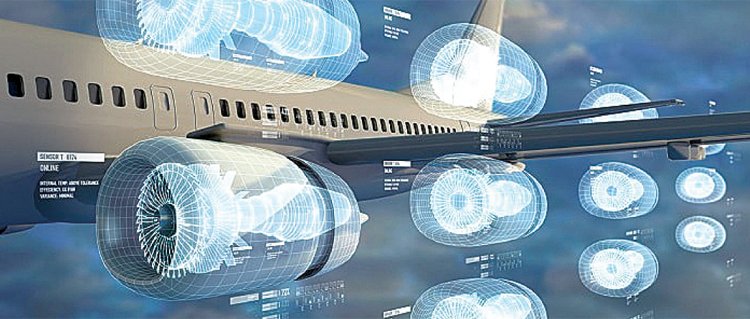
Digital twin technology plays a transformative role in modern aircraft design and production by creating virtual replicas of physical assets, systems, or processes. This advanced simulation and data-driven approach enables aerospace manufacturers to optimize design, enhance production efficiency, and improve maintenance practices. Here’s an in-depth look at its role:
1. Enhanced Aircraft Design
- Real-Time Simulation:
- Digital twins allow engineers to simulate and test designs in a virtual environment before physical prototypes are built.
- They help evaluate aerodynamics, structural performance, and system integration under various conditions.
- Accelerated R&D:
- By using digital twins, manufacturers can rapidly iterate designs, reducing the time and cost of development.
- Example: Boeing and Airbus use digital twins to refine designs for aircraft like the 787 Dreamliner and A350 XWB.
- Risk Mitigation:
- Potential design flaws can be identified and addressed early, minimizing costly modifications during production.
2. Streamlined Manufacturing Processes
- Process Optimization:
- Digital twins simulate manufacturing workflows, helping identify bottlenecks, optimize production schedules, and reduce waste.
- Example: Assembly line processes for aircraft wings or fuselages can be tested and fine-tuned in a digital environment.
- Quality Assurance:
- Virtual models enable real-time monitoring of manufacturing processes, ensuring adherence to quality standards.
- Automation Integration:
- Digital twins are used to program and simulate robotic systems in automated manufacturing, ensuring precision and efficiency.
3. Predictive Maintenance and Lifecycle Management
- Condition Monitoring:
- Digital twins of aircraft components (e.g., engines, landing gear) track real-time data from sensors during operation.
- This data helps predict potential failures and schedule maintenance before issues occur.
- Example: Rolls-Royce uses digital twins to monitor engine performance and optimize maintenance schedules for its jet engines.
- Extended Lifecycle:
- Continuous feedback from digital twins ensures that aircraft components operate within optimal parameters, extending their operational life.
4. Cost Reduction
- Reduced Physical Prototyping:
- Virtual testing using digital twins eliminates the need for multiple physical prototypes, significantly lowering R&D costs.
- Minimized Downtime:
- Predictive maintenance driven by digital twins reduces unplanned downtime and associated costs for airlines and operators.
- Energy Efficiency:
- Digital twins optimize production processes, reducing energy consumption and operational costs.
5. Improved Safety and Compliance
- Regulatory Testing:
- Digital twins simulate extreme conditions (e.g., turbulence, high temperatures, or pressure) to validate safety and compliance with regulatory standards.
- Example: Aircraft structures and materials are tested virtually for crashworthiness and environmental resilience.
- Pilot Training:
- Digital twins are integrated into flight simulators, providing realistic and data-driven training environments for pilots.
6. Integration of Emerging Technologies
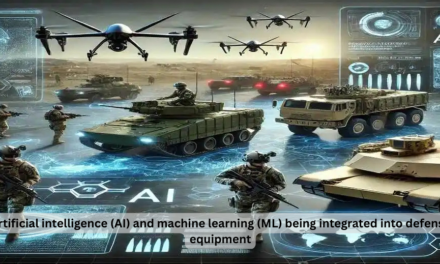
- Artificial Intelligence (AI) and Machine Learning (ML):
- AI-powered digital twins analyze vast amounts of operational data, uncovering patterns and improving predictive capabilities.
- Internet of Things (IoT):
- IoT sensors installed on aircraft feed real-time data into digital twins, enhancing accuracy and situational awareness.
- Additive Manufacturing (3D Printing):
- Digital twins simulate the additive manufacturing process to optimize material usage and ensure part quality.
7. Supply Chain and Logistics Management
- Supplier Coordination:
- Digital twins enable seamless collaboration with suppliers by simulating the compatibility and performance of components within the larger system.
- Inventory Management:
- Virtual replicas of supply chain processes help optimize inventory levels, ensuring timely delivery of parts without overstocking.
8. Sustainability and Environmental Impact
- Fuel Efficiency:
- Digital twins analyze aerodynamic performance to develop more fuel-efficient aircraft designs.
- Example: Optimization of wing shapes and engine placement for reduced drag.
- Sustainable Manufacturing:
- Virtual models help manufacturers minimize waste and energy use in production processes.
- Carbon Emission Reduction:
- Digital twins assess the environmental impact of aircraft operations and suggest modifications to reduce emissions.
9. Faster Time-to-Market
- Concurrent Engineering:
- Digital twins enable parallel development of aircraft systems, accelerating overall production timelines.
- Virtual Collaboration:
- Teams across the globe can access and work on a shared digital twin, streamlining collaboration and decision-making.
10. Continuous Improvement through Feedback Loops
- Real-Time Insights:
- Operational data collected from digital twins is fed back into the design and production cycle, driving continuous improvements.
- Customer-Specific Adaptations:
- Airlines and operators can request specific configurations or modifications based on insights from operational digital twins.
Challenges in Implementing Digital Twin Technology
- Data Integration:
- Aggregating and processing data from multiple sources (e.g., IoT sensors, CAD software) can be complex.
- High Initial Investment:
- Setting up the infrastructure for digital twins, including sensors and software, requires significant investment.
- Cybersecurity Risks:
- The interconnected nature of digital twins makes them vulnerable to cyberattacks, necessitating robust security measures.
- Standardization:
- Developing industry-wide standards for digital twin data formats and interfaces remains a challenge.
Examples of Digital Twin Use in Aerospace
- Airbus:
- Uses digital twins to optimize manufacturing and monitor in-service aircraft for predictive maintenance.
- Boeing:
- Implements digital twins for design validation, assembly line optimization, and real-time aircraft monitoring.
- Rolls-Royce:
- Employs digital twins of jet engines to track performance and provide maintenance recommendations.
Conclusion
Digital twin technology is revolutionizing the aerospace industry by enabling precise design, efficient manufacturing, predictive maintenance, and enhanced safety. It reduces costs, shortens development timelines, and supports sustainability goals. As digital twins evolve with advancements in AI, IoT, and big data analytics, they will play an even greater role in shaping the future of aircraft design and production.
Hashtags
#DigitalTwin #AerospaceDigitalTwin #DigitalTwinTechnology #DigitalInnovation #VirtualTwin #AircraftDesign #DesignSimulation #FutureAircraftDesign #SmartManufacturing #DigitalManufacturing #AdditiveManufacturingWithDigitalTwins #SimulationTechnology #DigitalValidation #SustainableAerospace #PredictiveMaintenance #AerospaceInnovation