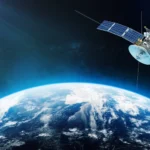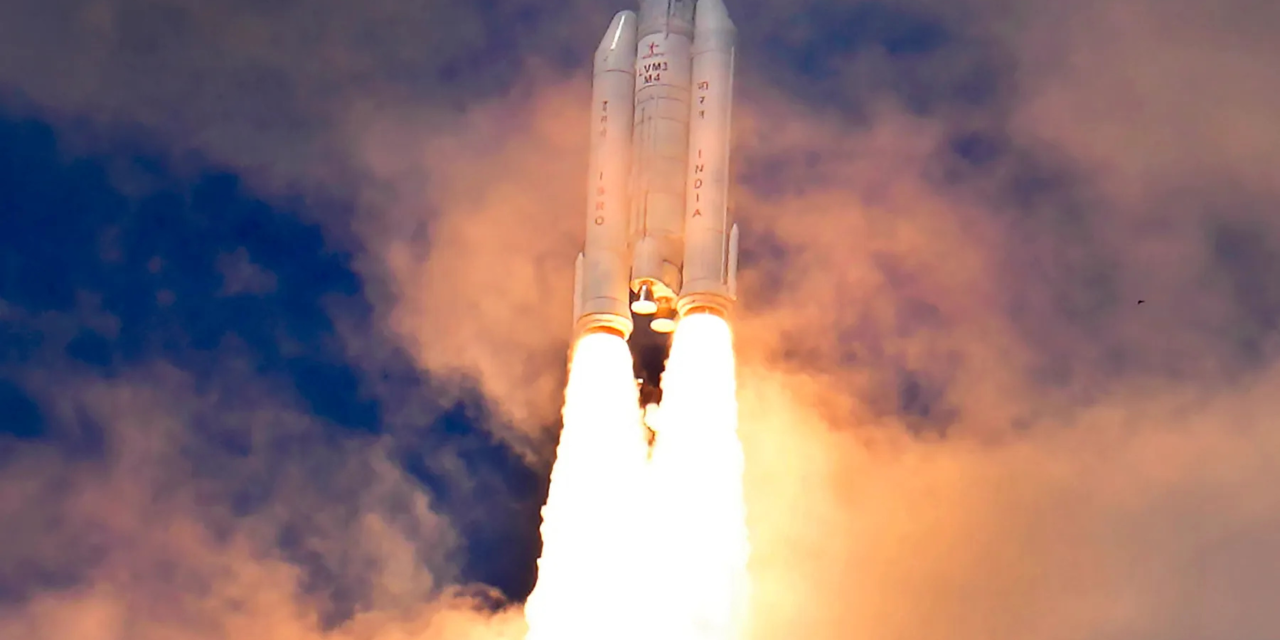
The Indian Space Research Organisation (ISRO) has announced another delay in its highly anticipated space docking experiment, a mission critical to India’s growing ambitions in space exploration and technology. The experiment, originally scheduled for 2024, aims to demonstrate autonomous docking and undocking of two spacecraft in orbit, a capability essential for future missions involving space stations, crewed lunar missions, and interplanetary exploration.
ISRO cited the need for additional technical refinements and testing as the reason for the postponement, emphasizing its commitment to ensuring mission success. The mission involves two small satellites equipped with advanced navigation, guidance, and control systems designed to execute precise maneuvers and alignments in microgravity conditions. Mastering docking technology is a complex milestone, requiring precision engineering and real-time autonomy.
This delay underscores the challenges associated with such advanced space technologies but also reflects ISRO’s focus on risk mitigation and long-term reliability. Despite the setback, ISRO continues to make progress in other areas, including the Gaganyaan human spaceflight program, lunar and planetary missions, and the development of next-generation satellite systems.
Once executed, the space docking experiment will place India in an elite group of nations, including the United States, Russia, and China, capable of performing autonomous docking—a critical capability for future collaborative and solo missions in space exploration. ISRO has reiterated its commitment to advancing India’s space capabilities and expects to reschedule the mission for a near-term launch window.