Anti-Submarine Warfare (ASW) systems are integral to modern naval strategies, focusing on detecting, tracking, and neutralizing enemy submarines to ensure maritime security. These systems employ a combination of sensor technologies, platforms, and weapons to counter undersea threats in a variety of scenarios. Here’s how ASW systems operate within modern naval strategies:
1. Key Components of ASW Operations
A. Detection Systems
- Sonar Systems:
- Active Sonar: Emits sound waves (pings) and detects their echoes from submarines or underwater objects.
- Passive Sonar: Listens for sounds like engine noise or propeller cavitation emitted by submarines.
- Examples:
- Hull-Mounted Sonar: Installed on the ship’s hull for broad detection capabilities.
- Towed Array Sonar Systems (TASS): Extended arrays towed behind ships for enhanced long-range detection.
- Sonobuoys:
- Deployable floating sensors dropped by aircraft to detect submarines.
- Types:
- Passive Sonobuoys: Detect submarine noises.
- Active Sonobuoys: Transmit pings to locate submarines.
- Example: AN/SSQ-53 DIFAR sonobuoys.
- Magnetic Anomaly Detectors (MAD):
- Detect disturbances in Earth’s magnetic field caused by a submarine’s metallic hull.
- Often deployed on aircraft like the P-8A Poseidon.
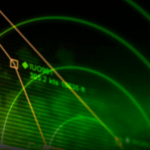
- Radar Systems:
- Detect submarine periscopes, masts, or wakes on the surface.
B. Tracking Systems
- Integrated Command and Control Systems:
- Fuse data from multiple sensors to track submarine positions in real time.
- Example: Aegis Combat System integrates sonar, radar, and other data.
2. Platforms for ASW
A. Surface Ships
- Equipped with sonar, torpedoes, and helicopters for comprehensive ASW capabilities.
- Example: Arleigh Burke-class destroyers with hull-mounted and towed sonar systems.
B. Submarines
- Use passive and active sonar for stealthy ASW operations.
- Can launch torpedoes or deploy decoys to engage enemy submarines.
- Example: Astute-class submarines (UK).
C. Aircraft
- Fixed-Wing Aircraft:
- Perform long-range ASW patrols, deploy sonobuoys, and carry torpedoes or depth charges.
- Example: P-8A Poseidon (U.S.).
- Helicopters:
- Operate from ships, equipped with dipping sonar and lightweight torpedoes.
- Example: MH-60R Seahawk (U.S.).
D. Unmanned Vehicles
- Unmanned Underwater Vehicles (UUVs):
- Conduct covert detection and tracking missions.
- Example: Knifefish UUV for mine and submarine detection.
- Unmanned Aerial Vehicles (UAVs):
- Provide extended surveillance and sonobuoy deployment.
- Example: MQ-9B SeaGuardian.
3. ASW Weapons Systems
A. Torpedoes
- Primary weapon for engaging submarines.
- Types:
- Heavyweight Torpedoes: Launched from submarines.
- Lightweight Torpedoes: Deployed by ships, aircraft, or helicopters.
- Example: Mk 48 Advanced Capability (ADCAP) torpedo.
B. Depth Charges
- Explosives deployed to detonate at specific depths, targeting submerged submarines.
C. Anti-Submarine Rockets (ASROC)
- Rocket-propelled systems that deliver torpedoes to a submarine’s location.
- Example: RUM-139 VL-ASROC.
4. Operational Phases of ASW
A. Detection and Localization
- Use sonar, sonobuoys, and radar to locate potential submarine threats.
- Aircraft and ships deploy systems like dipping sonar to pinpoint the submarine’s position.
B. Tracking and Classification
- Continuous monitoring to determine the submarine’s type, speed, and intent.
- Use AI and data fusion to differentiate between submarines, marine life, and other underwater objects.
C. Engagement
- Launch torpedoes, ASROCs, or depth charges once the submarine’s location is confirmed.
- Surface ships, aircraft, or submarines coordinate attacks for maximum effectiveness.
D. Post-Engagement Assessment
- Evaluate mission success and ensure the area is secure from additional submarine threats.
5. Integration into Modern Naval Strategies
A. Maritime Domain Awareness (MDA)
- ASW systems contribute to comprehensive monitoring of underwater activities, ensuring control over maritime zones.
B. Protection of High-Value Assets
- Defend aircraft carriers, amphibious assault ships, and commercial shipping from submarine threats.
C. Denial of Enemy Access
- Deploy ASW systems in chokepoints, like straits and shipping lanes, to restrict enemy submarine movements.
D. Strategic Deterrence
- Maintain an active ASW presence to deter adversaries from deploying submarines near critical regions.
6. Challenges in ASW Operations
A. Stealthy Submarines
- Modern submarines, such as nuclear-powered and Air-Independent Propulsion (AIP) submarines, are quieter and harder to detect.
B. Acoustic Conditions
- Variable oceanic conditions (e.g., thermal layers, salinity) can distort sonar signals and reduce detection effectiveness.
C. Limited Coverage
- Vast ocean areas make it challenging to locate submarines, especially in deep or contested waters.