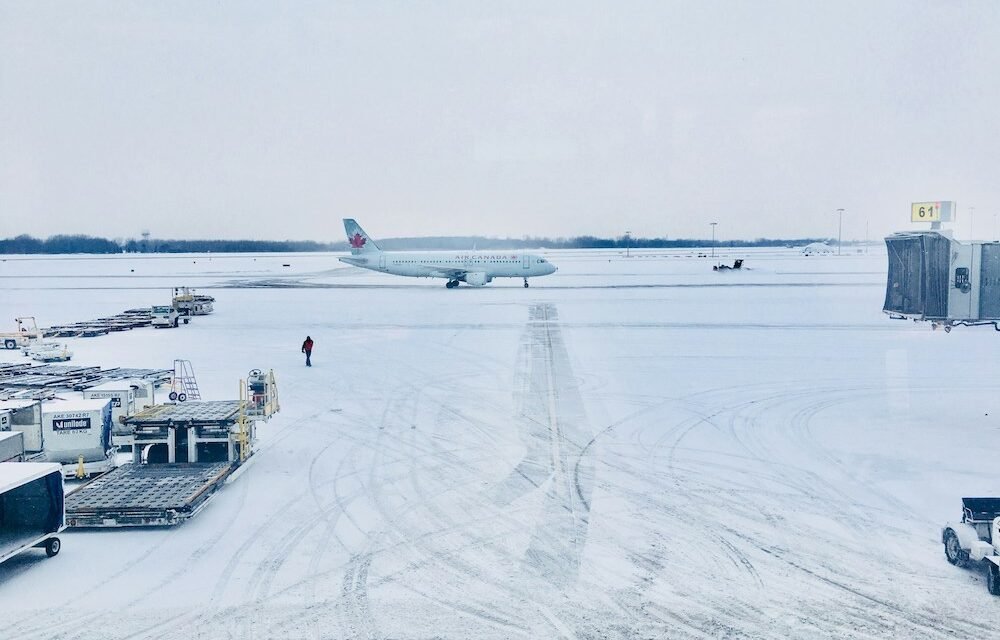
Anti-icing and de-icing technologies are critical for ensuring aircraft safety in extreme weather conditions, particularly when flying through cold, wet, or icy environments. Ice accumulation on aircraft surfaces can disrupt airflow, increase drag, reduce lift, and affect engine performance, potentially leading to dangerous situations. These technologies mitigate these risks in the following ways:
1. Anti-Icing Technologies
Anti-icing systems prevent the formation of ice on critical aircraft surfaces during flight.
a. Thermal Systems
- Hot Air Bleed Systems:
- Extract hot air from the engines and direct it to heat surfaces such as wing leading edges, engine inlets, or tail sections.
- Example: Most commercial jetliners use this method to keep leading edges ice-free.
- Electrical Heating:
- Electric heating elements embedded in surfaces (e.g., windshields, pitot tubes, or propeller blades) prevent ice accumulation by maintaining a temperature above freezing.
- Common in smaller aircraft and for localized protection.
b. Fluid-Based Systems
- Weeping Wings:
- Anti-icing fluid is pumped through small holes in the leading edges of wings or tail surfaces. The fluid creates a thin protective layer that prevents ice from bonding.
- Typically used in smaller aircraft like turboprops.
c. Chemical Coatings
- Ice-Phobic Coatings:
- Specialized materials are applied to aircraft surfaces to repel water and prevent ice adhesion.
- Emerging technologies aim to improve durability and reduce the need for active systems.
2. De-Icing Technologies
De-icing systems remove ice that has already accumulated on the aircraft.
a. Pneumatic De-Icing Boots
- Inflatable Rubber Boots:
- Rubber boots on the leading edges of wings or tail surfaces inflate and deflate in cycles, breaking up ice layers.
- Common on smaller aircraft, particularly turboprops.
- Advantages:
- Simple, reliable, and lightweight.
b. Thermal De-Icing
- Electrothermal Systems:
- Use electrical heating elements to melt or loosen ice for removal.
- Found in systems such as heated windshields, engine nacelles, and rotor blades.
c. Chemical Sprays
- De-Icing Fluids:
- Ground crews spray aircraft with glycol-based de-icing fluids before takeoff. These fluids lower the freezing point of water and remove existing ice.
- Applied on wings, fuselage, and control surfaces as part of pre-flight procedures.
- Two-Step Process:
- First, hot fluid removes ice (de-icing).
- Second, anti-icing fluid prevents re-icing during taxiing and takeoff.
3. Engine Anti-Icing
- Hot Air Systems:
- Hot air from the engine is routed to the inlets and critical engine components to prevent ice formation.
- Fan Blade Heaters:
- Electrical heaters prevent ice from accumulating on fan blades, ensuring engine performance and safety.
4. Cockpit Instrument and Windshield Protection
- Heated Windshields:
- Embedded electrical heating elements keep windshields clear of ice and fog for visibility.
- Pitot and Static Ports:
- Heated sensors ensure accurate airspeed and altitude readings by preventing ice blockages.
5. Rotorcraft and Propeller Systems
- Electrothermal Heating:
- Rotorcraft often use electric heating elements on rotors to prevent ice build-up.
- Propeller De-Icing:
- Heated or fluid-coated propellers maintain efficiency in icing conditions.
6. Advanced Technologies
- Smart Sensors:
- Detect ice formation and activate anti-icing or de-icing systems automatically.
- Ice Detection Systems:
- Provide real-time monitoring of icing conditions, alerting pilots to take preventive measures.
- Nano-Coatings:
- Research is ongoing into coatings that provide long-lasting, passive protection against ice accumulation.
7. Ground De-Icing Operations
- Infrared De-Icing:
- Infrared heat systems quickly remove ice during pre-flight preparations.
- Automated De-Icing Trucks:
- Robotic systems spray de-icing fluid with precision, reducing waste and time.
8. Safety and Operational Benefits
- Prevention of Performance Loss:
- Prevents airflow disruption and maintains lift, thrust, and control effectiveness.
- Improved Visibility:
- Keeps windshields and critical sensors clear for safe navigation.
- Compliance with Regulations:
- Meets aviation safety standards for operation in adverse weather conditions.
- Reduced Downtime:
- Efficient ground de-icing minimizes delays, ensuring flight schedules are maintained.
Challenges and Future Innovations
- Environmental Concerns:
- Glycol-based fluids can harm the environment if not properly managed. Research focuses on biodegradable alternatives.
- Energy Efficiency:
- Advanced systems aim to reduce energy demands while maintaining effectiveness.
- Autonomous Systems:
- Integration of AI and sensors to automate anti-icing and de-icing processes.