Advanced radar systems play a critical role in enhancing battlefield awareness and defense strategies through their sophisticated capabilities and applications. Here’s how:
1. Improved Detection and Tracking
- Wide Coverage: Advanced radar systems provide extended detection ranges, enabling the monitoring of vast areas in real time.
- Multi-Target Tracking: These systems can simultaneously track multiple objects, such as aircraft, drones, missiles, and ground vehicles, ensuring comprehensive situational awareness.
- All-Weather Operation: Modern radar systems operate effectively in diverse weather conditions, including rain, fog, and snow, providing consistent surveillance.
2. Enhanced Accuracy and Resolution
- High-Resolution Imaging: Advanced radars, such as synthetic aperture radar (SAR), generate detailed images, aiding in target identification and classification.
- Low Probability of Intercept (LPI): Stealth radar systems reduce the likelihood of detection by enemy forces, maintaining operational security.
3. Real-Time Data Integration
- Network-Centric Warfare: Radars integrated into battlefield networks enable the sharing of real-time data with command centers and allied forces.
- Fusion with Other Sensors: Combining radar data with inputs from other sensors (like infrared or optical systems) enhances the accuracy and reliability of battlefield intelligence.
4. Countering Emerging Threats
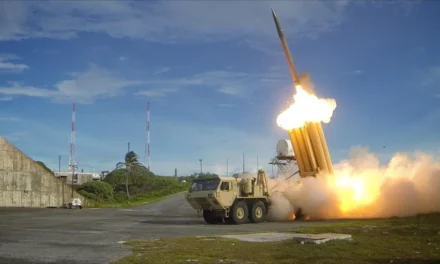
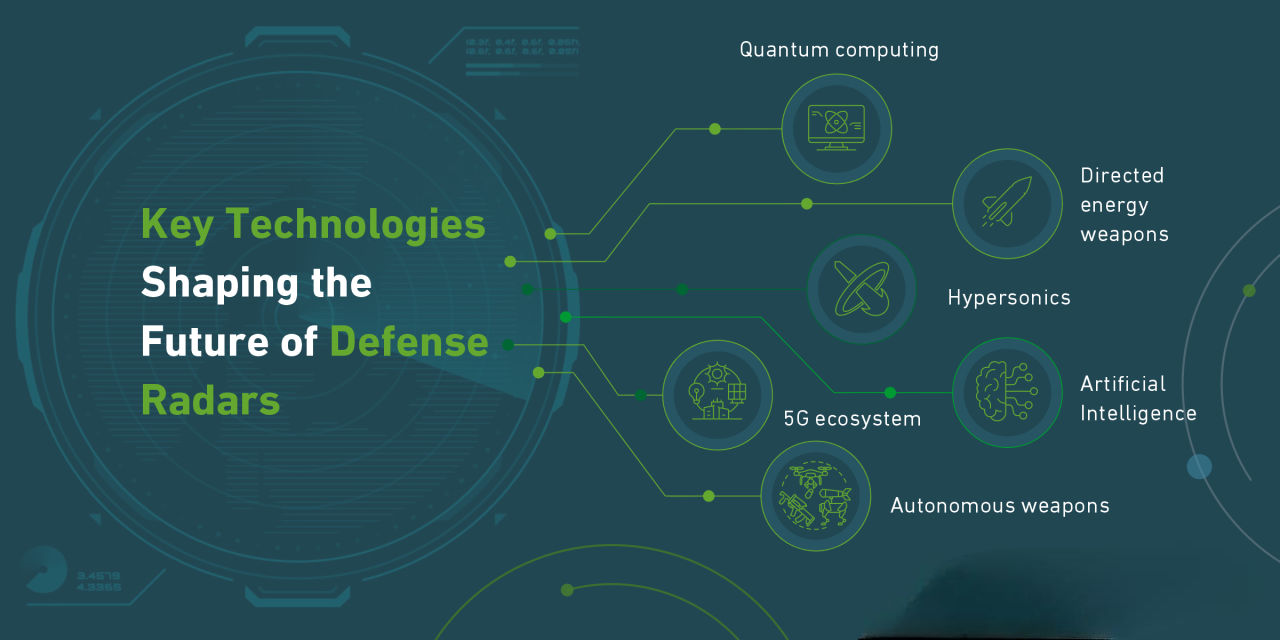
- Hypersonic Threat Detection: Advanced radars can detect and track hypersonic missiles, which travel at speeds exceeding Mach 5.
- Anti-Drone Capabilities: Radars are increasingly adept at detecting and neutralizing small, low-flying drones, which pose a growing threat in modern warfare.
5. Stealth and Electronic Countermeasures
- Detection of Stealth Targets: Cutting-edge radars, such as quantum radars, can detect stealth aircraft and missiles designed to evade traditional radar systems.
- Electronic Counter-Countermeasures (ECCM): Advanced radars can resist jamming and deception tactics, maintaining operational effectiveness in electronic warfare environments.
6. Enhanced Command and Control
- Battlefield Coordination: Radar systems provide commanders with a clear operational picture, enabling better decision-making and coordination of assets.
- Early Warning Systems: Radars offer early detection of enemy movements or missile launches, allowing for preemptive defensive actions.
7. Support for Autonomous and AI-Driven Systems
- Integration with AI: Modern radars incorporate artificial intelligence for threat prioritization, pattern recognition, and predictive analytics.
- Autonomous Defense Systems: They enhance the effectiveness of automated weapons systems, such as missile defense systems and unmanned aerial vehicles (UAVs).
8. Role in Multidomain Operations
- Air, Land, and Sea Applications: Advanced radars are pivotal across domains, from air defense to naval operations, ensuring seamless situational awareness.
- Space Surveillance: Radars are critical for tracking satellites and potential threats in the space domain, increasingly relevant in modern conflicts.
Impact on Defense Strategies
- Proactive Defense: Early detection capabilities allow forces to intercept threats before they reach critical targets.
- Force Multiplier: Improved situational awareness enables optimized resource allocation and reduces the element of surprise by adversaries.
- Strategic Advantage: Superior radar technology can outpace adversary systems, creating a decisive advantage in conflict scenarios.