Unmanned Aerial Vehicles (UAVs), commonly known as drones, are revolutionizing aerial surveillance and combat operations by providing unmatched capabilities in terms of efficiency, precision, and versatility. Here’s how UAVs are transforming these fields:
1. Enhanced Aerial Surveillance
- Persistent Monitoring:
- UAVs can loiter for extended periods, providing continuous monitoring of targets or areas of interest without risking human lives.
- Example: High-altitude UAVs like the MQ-9 Reaper provide persistent intelligence, surveillance, and reconnaissance (ISR).
- High-Resolution Imaging:
- Equipped with advanced electro-optical, infrared, and synthetic aperture radar (SAR) sensors, UAVs deliver real-time, high-resolution images and videos, even in poor visibility conditions.
- Wide-Area Surveillance:
- UAVs like the Global Hawk cover vast areas, making them ideal for border monitoring, maritime patrols, and disaster response.
- Signal and Electronic Intelligence:
- UAVs are equipped to intercept communications, jam enemy systems, and gather electronic intelligence (ELINT), enhancing situational awareness.
2. Precision in Combat Operations
- Targeted Strikes:
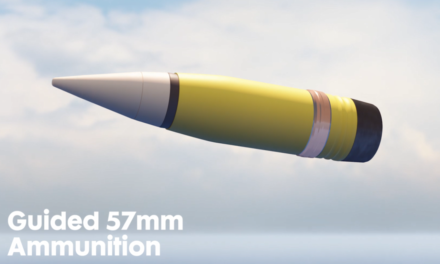
- UAVs conduct precision airstrikes with minimal collateral damage using guided munitions, such as Hellfire missiles.
- Example: Drones like the MQ-1 Predator have been pivotal in counterterrorism operations, eliminating high-value targets.
- Real-Time Battle Coordination:
- UAVs provide live battlefield updates, enabling commanders to make informed decisions and coordinate troop movements effectively.
- Autonomous Engagements:
- Emerging technologies enable UAVs to autonomously identify, track, and engage targets under human supervision.
3. Reduced Risk to Personnel
- Eliminating Pilot Risk:
- UAVs are operated remotely, eliminating the risk to human pilots during reconnaissance or combat missions in hostile environments.
- Force Multiplication:
- A single operator can control multiple UAVs, increasing operational capacity without additional personnel.
4. Cost-Effectiveness
- Lower Operational Costs:
- UAVs are generally cheaper to operate and maintain compared to manned aircraft, reducing overall defense budgets.
- Reduced Training Costs:
- Training UAV operators is less expensive and time-consuming than training traditional pilots.
5. Versatility in Operations
- Multi-Domain Use:
- UAVs are used across domains, including surveillance, logistics, combat, electronic warfare, and search-and-rescue operations.
- Adaptable Payloads:
- Modular designs allow UAVs to carry a wide range of payloads, such as cameras, weapons, sensors, and communication relays, tailoring them to specific mission requirements.
6. Improved Intelligence and Data Integration
- Real-Time Data Sharing:
- UAVs relay real-time intelligence to ground stations, enabling faster decision-making and reducing the intelligence cycle time.
- AI and Machine Learning:
- AI-enhanced UAVs analyze data on-the-fly, detecting patterns, identifying threats, and prioritizing targets without human intervention.
7. Accessibility in Challenging Environments
- Hostile Terrain:
- UAVs operate effectively in environments where manned aircraft face logistical or operational challenges, such as mountainous regions or urban combat zones.
- Covert Operations:
- Small UAVs with low radar and acoustic signatures are ideal for covert surveillance and reconnaissance missions.
8. Swarm Technology
- Collaborative UAV Operations:
- Swarm technology enables multiple UAVs to operate in coordinated formations, overwhelming enemy defenses or covering large areas.
- Decentralized Control:
- Swarms can adapt dynamically to mission changes, redistributing tasks if individual drones are lost or disabled.
9. Non-Lethal Applications
- Humanitarian Missions:
- UAVs support disaster relief efforts by surveying affected areas, delivering medical supplies, or aiding search-and-rescue operations.
- Wildlife Monitoring:
- Drones are used for anti-poaching operations and environmental monitoring.
10. Challenges and Ethical Considerations
- Vulnerability to Countermeasures:
- UAVs are susceptible to electronic warfare, jamming, and cyberattacks.
- Collateral Damage:
- Despite precision, drone strikes risk unintended casualties, raising ethical concerns.
- Legal and Regulatory Issues:
- The proliferation of UAVs requires clear international laws governing their use in warfare.
- Autonomy in Combat:
- The rise of autonomous UAVs raises debates about accountability and control in life-or-death decisions.
Examples of UAVs in Action
- Combat Operations:
- The Bayraktar TB2 has been used effectively in conflicts such as the Nagorno-Karabakh war, demonstrating the strategic value of UAVs.
- Surveillance Missions:
- The RQ-4 Global Hawk provides near-continuous ISR coverage over large areas for military and humanitarian purposes.
- Swarm Demonstrations:
- DARPA’s Gremlins program showcases the potential of collaborative UAV operations.