Stealth technologies in modern naval vessels reduce their detectability by radar, sonar, infrared, and other sensors, enhancing survivability and operational effectiveness. These technologies enable ships to operate covertly, delay detection, and increase mission success rates. Here’s how stealth technologies are applied in modern naval vessels:
1. Radar Stealth
Radar stealth minimizes a vessel’s radar cross-section (RCS), making it harder for enemy radars to detect and track the ship.
A. Hull and Superstructure Design
- Angled Surfaces:
- Ships feature sloped and flat surfaces to deflect radar waves away from the source.
- Example: Zumwalt-class destroyers (U.S.) have a unique tumblehome hull design for low radar visibility.
- Integrated Masts:
- Sensors and antennas are enclosed within composite materials, reducing reflections.
- Example: Type 45 destroyers (UK).
B. Radar-Absorbent Materials (RAM)
- Applied to the ship’s exterior to absorb radar waves rather than reflecting them.
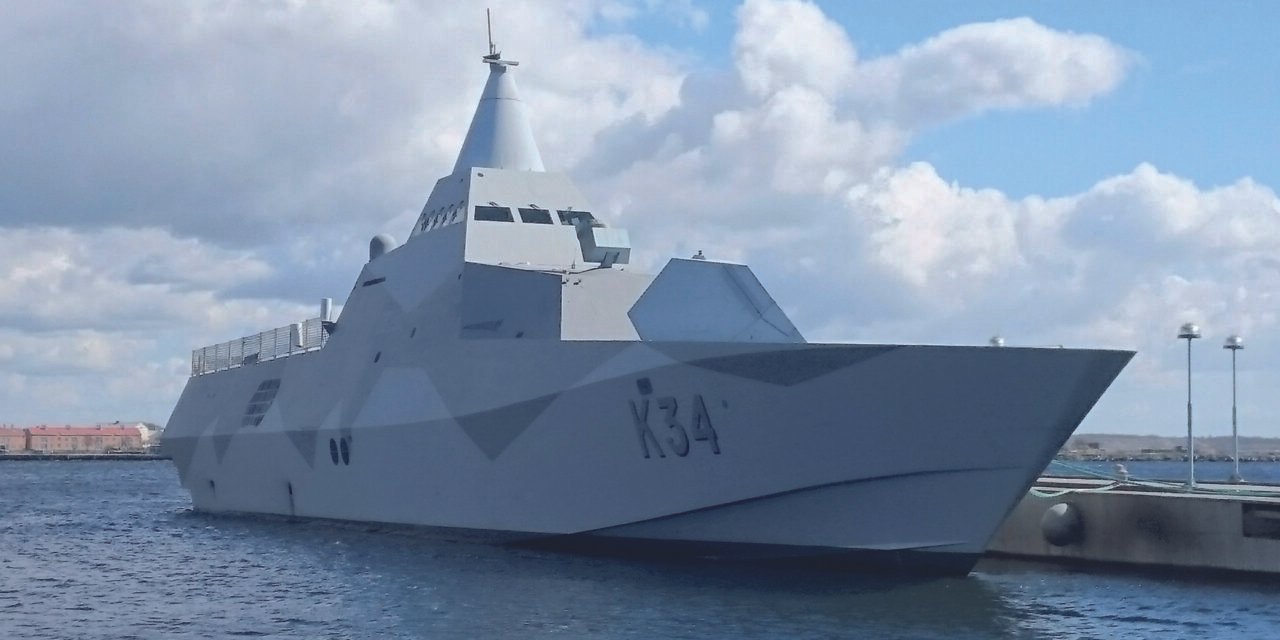
- Example: Stealth coatings on Visby-class corvettes (Sweden).
C. Reduced Protrusions
- Minimizing exposed equipment, masts, and weapons reduces radar signature.
2. Acoustic Stealth
Acoustic stealth minimizes noise generated by the vessel, reducing detection by passive sonar systems.
A. Quiet Propulsion Systems
- Electric Drive Systems:
- Electric motors generate less noise compared to traditional propulsion.
- Example: Zumwalt-class destroyers use an integrated electric propulsion (IEP) system.
- Pump-Jet Propulsors:
- Replace traditional propellers to reduce cavitation noise.
- Example: Virginia-class submarines (U.S.).
B. Hull Design
- Streamlined hull shapes reduce water resistance and flow noise.
C. Noise Isolation
- Machinery is mounted on vibration-damping materials to reduce noise transmission to the hull.
3. Infrared (IR) Stealth
Infrared stealth reduces the ship’s heat signature, making it harder for heat-seeking sensors and missiles to detect.
A. Exhaust Management
- Heat Dissipation:
- Exhaust gases are cooled before being released, reducing thermal emissions.
- Example: Type 45 destroyers use advanced heat suppression systems.
- Water Injection:
- Sprays water into exhaust systems to cool emissions and reduce IR signature.
B. Low-Heat Materials
- Use of materials with low thermal conductivity for the superstructure to minimize heat retention and radiation.
4. Visual Stealth
Visual stealth makes the vessel less noticeable to the naked eye and optical sensors.
A. Low Profile Design
- Ships have a smaller visual silhouette, making them harder to spot on the horizon.
- Example: Visby-class corvettes have a minimalist design.
B. Camouflage
- Paint schemes and coatings blend the vessel with the surrounding sea or sky.
5. Electromagnetic Stealth
Electromagnetic stealth reduces emissions from the ship’s radar, communications, and other electronic systems.
A. Emission Control (EMCON)
- Ships operate in emission-controlled modes to minimize detectable electromagnetic signals.
B. Low-Probability-of-Intercept (LPI) Radars
- Use advanced waveforms and low-power emissions to avoid detection by enemy sensors.
- Example: SPY-6 radar (U.S.) integrates LPI technology.
6. Visual and Radar Decoys
Decoys mislead enemy sensors and weapons, enhancing stealth and survivability.
A. Chaff and Flares
- Released to confuse radar and infrared-guided missiles.
B. Active Decoys
- Emit signals to mimic the ship’s radar signature and divert enemy missiles.
- Example: Nulka Active Decoy System.
7. Multi-Domain Integration
Stealth technologies are integrated with other systems to complement ship survivability:
- Electronic Warfare (EW):
- Actively jams enemy radar and sonar.
- Unmanned Systems:
- Deployed to distract or confuse adversaries, aiding in stealth operations.
8. Examples of Stealth Naval Vessels
- Zumwalt-Class Destroyers (U.S.):
- Advanced stealth features, including tumblehome hull design and RAM coatings.
- Visby-Class Corvettes (Sweden):
- Compact, stealthy design with integrated systems for radar and acoustic reduction.
- Type 45 Destroyers (UK):
- Features reduced RCS, IR suppression, and advanced EW systems.
- Littoral Combat Ships (LCS) (U.S.):
- Modular and stealthy for operations in contested littoral zones.
9. Challenges and Limitations
A. Cost
- Advanced stealth technologies significantly increase construction and maintenance costs.
B. Trade-Offs
- Stealth designs may compromise traditional armor or firepower.
C. Evolving Threats
- Emerging sensor technologies like quantum radars or low-frequency sonar may reduce stealth effectiveness.
10. Future Trends in Naval Stealth
- Active Camouflage:
- Technologies that adapt to surroundings, making vessels nearly invisible.
- AI-Driven Emission Management:
- Optimizes signal suppression and decoy deployment in real-time.
- Hypersonic Countermeasures:
- Advanced stealth to evade detection by hypersonic missile sensors.
Conclusion
Stealth technologies are essential in modern naval warfare, enabling ships to avoid detection, enhance survivability, and maintain operational superiority. As sensor and detection technologies evolve, stealth features must continuously adapt to maintain their effectiveness in contested maritime environments.
Hashtags
#StealthNavalTech #ModernStealthVessels #NavalStealthInnovation #AdvancedNavalStealth #StealthWarfareAtSea #RadarEvasionTech #LowObservableVessels #ReducedRadarSignature #StealthShipDesign #SignatureReduction #StealthMaterials #RadarAbsorbingCoatings #AdvancedNavalMaterials #SmartStealthCoatings #ShipCamouflageTech #StealthSubmarines #SilentSubmarineTech #UnderwaterStealthSystems #SubmarineSignatureReduction #AcousticStealthTech #NoiseReductionInVessels #ThermalStealthInnovation #HeatSignatureControl #NextGenStealthTech #SmartNavalStealth #AIInStealthTech