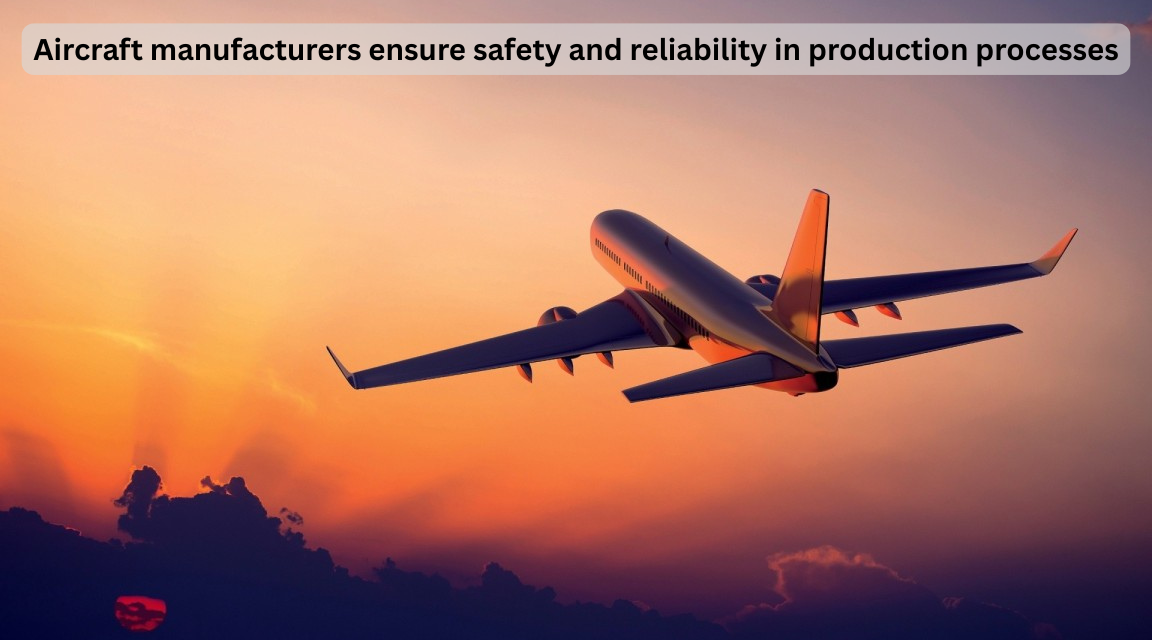
Aircraft manufacturers ensure safety and reliability in their production processes through rigorous planning, quality control systems, advanced technologies, and strict compliance with regulatory standards. These efforts are designed to minimize risks, maintain performance standards, and protect passenger and crew safety. Here’s how they achieve this:
1. Adherence to Regulatory Standards
- Global Compliance:
- Manufacturers adhere to stringent safety and airworthiness standards set by authorities such as:
- FAA (Federal Aviation Administration).
- EASA (European Union Aviation Safety Agency).
- ICAO (International Civil Aviation Organization).
- These agencies provide guidelines for structural integrity, system performance, and operational safety.
- Manufacturers adhere to stringent safety and airworthiness standards set by authorities such as:
- Certification Processes:
- Manufacturers obtain certifications like Type Certification (for aircraft design) and Production Certification (for manufacturing processes), which involve comprehensive audits and inspections.
2. Robust Quality Management Systems
- Standardized Frameworks:
- Aerospace manufacturers implement quality management systems like AS9100 (aerospace-specific ISO 9001 standard), which ensure systematic control over production processes.
- Documentation and Traceability:
- Every component and material used is documented and traceable, enabling quick identification and resolution of potential issues.
3. Advanced Testing Protocols
- Non-Destructive Testing (NDT):
- Techniques like ultrasonic, radiographic, and magnetic particle inspections detect defects in materials or components without causing damage.
- Stress and Fatigue Testing:
- Components like wings and fuselages are tested under simulated operational stresses to verify durability and longevity.
- Environmental Testing:
- Systems are tested under extreme conditions, such as high altitudes, temperatures, and pressure fluctuations, to ensure reliability.
- End-to-End Flight Testing:
- Full-scale flight tests validate the performance, safety, and stability of the entire aircraft before entering service.
4. Precision Manufacturing Techniques
- Automation and Robotics:
- Robots perform repetitive and high-precision tasks, such as drilling, fastening, and composite layups, reducing human error and ensuring consistency.
- Additive Manufacturing (3D Printing):
- Producing complex, lightweight components with high precision and minimal waste, improving both reliability and efficiency.
- Digital Twin Technology:
- Digital replicas of physical components or systems are used to simulate and optimize manufacturing processes in real time.
5. Supply Chain Oversight
- Supplier Quality Assurance:
- Rigorous audits and inspections ensure that Tier 1 and Tier 2 suppliers meet the manufacturer’s specifications and regulatory requirements.
- Standardization:
- Manufacturers work with suppliers to ensure consistency in materials, components, and processes across global supply chains.
- Real-Time Monitoring:
- Digital systems track supplier performance and component quality throughout the production lifecycle.
6. Workforce Training and Competence
- Skilled Workforce:
- Regular training programs ensure that workers stay updated on the latest safety protocols, manufacturing techniques, and regulatory requirements.
- Certifications:
- Technicians, engineers, and operators are certified to perform specialized tasks, such as avionics installation or composite material handling.
- Safety Culture:
- Manufacturers foster a safety-first mindset at every level, empowering employees to report potential risks without fear of retribution.
7. Integration of Advanced Technologies
- Artificial Intelligence (AI) and Machine Learning (ML):
- AI systems analyze data to predict potential failures and optimize production processes.
- IoT Sensors:
- Sensors installed on machinery and components monitor performance in real time, ensuring early detection of anomalies.
- Automated Quality Inspection:
- Vision systems and robotic inspectors identify defects in components with higher accuracy than manual inspections.
8. Stringent Maintenance and Calibration of Tools
- Precision Tools:
- All tools and equipment used in production are calibrated regularly to maintain accuracy and reliability.
- Preventive Maintenance:
- Regular maintenance schedules ensure that manufacturing equipment remains in optimal condition, reducing downtime and the risk of defects.
9. Risk Management and Failure Analysis
- Proactive Risk Assessments:
- Potential risks in manufacturing processes are identified and mitigated using tools like Failure Modes and Effects Analysis (FMEA).
- Root Cause Analysis:
- Any detected defect or failure is investigated to its root cause, and corrective measures are implemented to prevent recurrence.
- Redundancy:
- Critical systems and components often have redundant backups to ensure reliability in case of failure.
10. Lifecycle Monitoring and Feedback
- Data Collection:
- Operational data from in-service aircraft is analyzed to identify areas for improvement in manufacturing and design.
- Continuous Improvement:
- Lessons learned from operational performance are fed back into production processes for iterative enhancement.
- Maintenance Feedback:
- Input from airlines and maintenance crews helps manufacturers refine components and systems for better reliability.
11. Collaboration with Regulatory and Industry Bodies
- Joint Development:
- Collaboration with agencies like NASA, FAA, and EASA ensures that emerging technologies and materials meet regulatory requirements.
- Industry Standards:
- Participation in global standards organizations (e.g., SAE International) promotes harmonization of safety practices.
12. Sustainability and Environmental Considerations
- Sustainable Materials:
- Use of eco-friendly and recyclable materials ensures compliance with environmental regulations without compromising safety.
- Energy-Efficient Manufacturing:
- Processes that minimize energy use and emissions are adopted to align with sustainability goals.
Examples of Safety and Reliability Measures in Action
- Boeing’s Fuselage Automated Upright Build (FAUB):
- Robotics ensure precision in joining fuselage sections, reducing errors and improving structural reliability.
- Airbus’ Wing of Tomorrow Project:
- Combines advanced composites and automated processes to produce lightweight, durable wings.
- Rolls-Royce Engine Monitoring:
- Continuous data tracking of jet engines allows predictive maintenance, ensuring operational reliability.
Challenges in Ensuring Safety and Reliability
- Supply Chain Complexity:
- Ensuring consistency across global suppliers is resource-intensive.
- Evolving Regulations:
- Adapting to changing standards requires ongoing investment in training and technology.
- High Costs:
- Quality control measures and testing protocols add significant costs to production.
- Integration of Emerging Technologies:
- Certifying and incorporating new technologies, like hydrogen propulsion, into production processes poses challenges.
Conclusion
Aircraft manufacturers ensure safety and reliability by combining rigorous quality control measures, advanced technologies, and a culture of continuous improvement. These efforts are supported by strong regulatory frameworks, skilled personnel, and robust supply chain management. As the industry evolves, manufacturers must continue investing in innovation and process optimization to meet the growing demands for safe, reliable, and sustainable air travel.
Hashtags
#AerospaceSafety #AircraftReliability #SafetyInManufacturing #ReliableAircraft #ProductionSafety #QualityControl #QualityAssurance #PrecisionManufacturing #AircraftTesting #AerospaceQuality #ManufacturingExcellence #SafetyTesting #TestingAndValidation #SystemReliability #NonDestructiveTesting #PerformanceValidation