Sensors and surveillance equipment are fundamental to aerospace technology, playing critical roles in navigation, safety, data collection, and mission success. These systems provide real-time data, enhance operational awareness, and ensure the functionality and reliability of aerospace platforms in various environments.
Roles of Sensors in Aerospace Technology
1. Navigation and Positioning
- Applications:
- Inertial Navigation Systems (INS) use gyroscopes and accelerometers to determine position and orientation.
- GPS sensors provide global positioning for aircraft and spacecraft.
- Benefits:
- Accurate navigation in dynamic and remote environments.
- Seamless operations even when external signals are unavailable.
2. Environmental Monitoring
- Applications:
- Atmospheric sensors measure pressure, temperature, and humidity for flight performance and weather forecasting.
- Spacecraft sensors monitor radiation, micrometeoroids, and other environmental factors.
- Benefits:
- Enhanced safety through real-time adaptation to environmental conditions.
- Improved scientific understanding of space and planetary environments.
3. Flight Control and Stability
- Applications:
- Sensors monitor airspeed, altitude, and angle of attack for safe flight control.
- Accelerometers and strain gauges detect structural loads and vibrations.
- Benefits:
- Prevents aerodynamic stalls and structural failures.
- Ensures smooth and stable flight.
4. Safety and Collision Avoidance
- Applications:
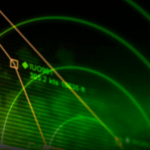
- Radar and LiDAR systems detect obstacles and other aircraft for collision avoidance.
- Proximity sensors enable safe operations during docking or refueling in space.
- Benefits:
- Reduces the risk of accidents.
- Supports autonomous operations.
5. Engine Monitoring
- Applications:
- Sensors measure temperature, pressure, and fuel flow to ensure optimal engine performance.
- Vibration and wear sensors predict maintenance needs.
- Benefits:
- Enhances engine efficiency and reliability.
- Supports predictive maintenance to reduce downtime.
Roles of Surveillance Equipment in Aerospace Technology
1. Military and Defense
- Applications:
- Surveillance drones equipped with electro-optical and infrared (EO/IR) cameras monitor borders, battlefields, and maritime zones.
- Synthetic Aperture Radar (SAR) systems provide high-resolution imaging in all weather conditions.
- Benefits:
- Improves situational awareness and intelligence gathering.
- Enables precise targeting and threat assessment.
2. Space Observation
- Applications:
- Telescopes and imaging sensors monitor celestial bodies, track space debris, and detect near-Earth objects (NEOs).
- Earth observation satellites capture high-resolution images for environmental monitoring and disaster response.
- Benefits:
- Advances scientific research and planetary defense.
- Supports sustainable resource management on Earth.
3. Air Traffic Management
- Applications:
- Radar and ADS-B (Automatic Dependent Surveillance-Broadcast) systems track aircraft movements for efficient traffic control.
- Benefits:
- Enhances airspace safety and reduces delays.
- Optimizes flight paths for fuel efficiency.
4. Border and Infrastructure Security
- Applications:
- Surveillance aircraft and UAVs monitor critical infrastructure, such as pipelines, power grids, and forests.
- Thermal imaging detects unauthorized activities, such as smuggling or poaching.
- Benefits:
- Improves national security and resource protection.
- Enables rapid response to emergencies.
5. Scientific Exploration
- Applications:
- Spectrometers and multispectral cameras on spacecraft analyze planetary surfaces and atmospheres.
- Weather satellites monitor climate patterns and storm development.
- Benefits:
- Expands knowledge of other planets and interstellar phenomena.
- Improves global weather prediction models.
Key Technologies in Sensors and Surveillance
- LiDAR (Light Detection and Ranging):
- Provides high-resolution mapping and obstacle detection in drones and spacecraft.
- Synthetic Aperture Radar (SAR):
- Offers detailed imaging for military, geological, and environmental applications.
- Infrared (IR) Sensors:
- Detect heat signatures for surveillance and search-and-rescue operations.
- Multispectral and Hyperspectral Sensors:
- Analyze material composition and environmental changes from space.
- Quantum Sensors:
- Offer extreme precision in navigation and environmental measurements.
Benefits of Sensors and Surveillance Equipment in Aerospace
- Improved Safety:
- Real-time monitoring prevents accidents and ensures system health.
- Enhanced Efficiency:
- Optimized operations reduce fuel consumption and mission costs.
- Scientific Discovery:
- Advanced sensors drive innovation in astronomy, planetary science, and Earth observation.
- Autonomous Capability:
- Enable UAVs and spacecraft to operate independently in complex environments.
- Global Security:
- Strengthens defense and disaster response capabilities.
Conclusion
Sensors and surveillance equipment are indispensable in aerospace technology, supporting critical functions like navigation, safety, and environmental monitoring. With continuous advancements, these systems are driving the future of autonomous operations, scientific discovery, and global security.
Hashtags
#AerospaceSensors #SurveillanceEquipment #SmartSensorTech #AerospaceSurveillance #AdvancedSensorSystems #FlightSensors #AirborneSurveillance #SpaceSurveillanceTech #SensorTechInAerospace #MissionCriticalSensors #NextGenSensors #AdvancedSurveillanceTech #AIInSensors #PrecisionSensorTech #InnovativeSurveillanceSystems