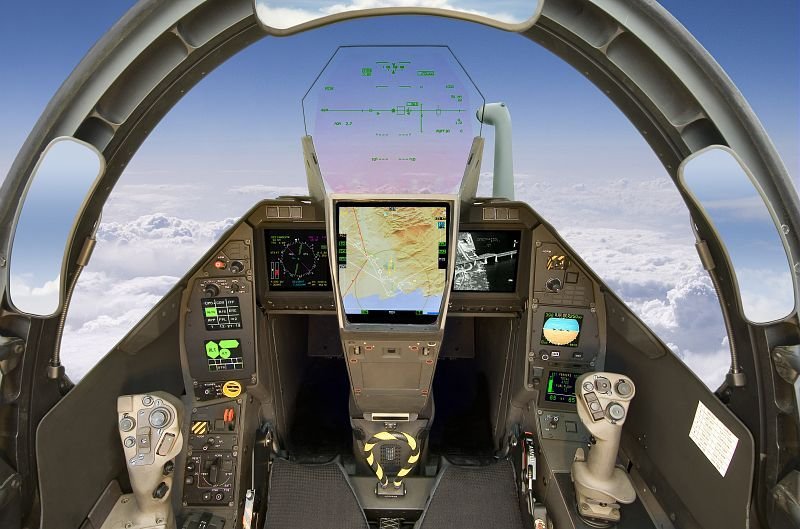
Modern cockpit control systems have evolved significantly with the integration of advanced technologies to enhance pilot situational awareness, operational efficiency, and safety. Here are the latest advancements in cockpit control systems:
1. Glass Cockpits
- Description: Replacement of traditional analog gauges with digital displays.
- Advancements:
- High-resolution LCD or OLED displays provide customizable layouts for flight data.
- Integration of primary flight displays (PFDs) and multifunction displays (MFDs).
- Benefits:
- Simplifies information presentation.
- Reduces pilot workload by displaying only relevant data.
2. Fly-by-Wire (FBW) Systems
- Description: Electronic control systems replace mechanical linkages between the pilot’s controls and aircraft control surfaces.
- Advancements:
- Adaptive FBW systems use AI to adjust control responses based on flight conditions.
- Enhanced fault-tolerant designs ensure redundancy and safety.
- Benefits:
- Smoother and more precise control.
- Automatic compensation for turbulence and system malfunctions.
3. Touchscreen Interfaces
- Description: Modern cockpits now feature touch-sensitive displays for control inputs.
- Advancements:
- Multi-touch capability for zooming, panning, and selecting functions.
- Haptic feedback ensures tactile confirmation of inputs.
- Benefits:
- Intuitive and faster interaction with avionics systems.
- Reduces the need for physical switches and knobs.
4. Augmented Reality (AR) and Heads-Up Displays (HUDs)
- Description: AR overlays critical flight information directly onto the pilot’s view.
- Advancements:
- Wide-field-of-view HUDs with enhanced readability in all lighting conditions.
- Helmet-mounted displays (HMDs) for military and commercial pilots.
- Benefits:
- Provides crucial data like altitude, speed, and navigation without looking away from the flight path.
- Enhances situational awareness during takeoff, landing, and adverse conditions.
5. Synthetic Vision Systems (SVS)
- Description: Combines 3D terrain maps with flight data to create a virtual representation of the environment.
- Advancements:
- High-fidelity terrain mapping with obstacle detection.
- Integration with enhanced vision systems (EVS) for better visibility in poor weather.
- Benefits:
- Improves navigation and safety during low-visibility operations.
- Helps pilots avoid obstacles and terrain.
6. Voice-Activated Controls
- Description: AI-powered voice recognition systems allow pilots to control certain functions verbally.
- Advancements:
- Natural language processing (NLP) enables conversational commands.
- Multi-language support for global operations.
- Benefits:
- Reduces physical workload during high-stress situations.
- Faster access to avionics functions without manual input.
7. Advanced Autopilot Systems
- Description: Autopilot systems now include advanced automation for various phases of flight.
- Advancements:
- Autoland systems can land the aircraft autonomously under various conditions.
- AI-driven decision-making for dynamic rerouting and emergency management.
- Benefits:
- Enhances safety by reducing human errors.
- Supports pilots in managing complex flight scenarios.
8. Data Integration and Connectivity
- Description: Modern cockpits integrate data from multiple sources for comprehensive situational awareness.
- Advancements:
- Real-time weather updates and air traffic information via satellite connectivity.
- Integration of Electronic Flight Bags (EFBs) with cockpit systems.
- Benefits:
- Informed decision-making with real-time data.
- Seamless collaboration between pilots and ground control.
9. Gesture-Control Systems
- Description: Emerging technology allows pilots to use hand gestures to interact with cockpit systems.
- Advancements:
- AI-driven sensors detect precise hand movements.
- Touchless interaction with avionics displays and controls.
- Benefits:
- Enhances control in turbulent conditions.
- Reduces physical interaction with displays and switches.
10. Enhanced Safety Features
- Description: Cockpit systems are now equipped with predictive safety mechanisms.
- Advancements:
- Runway overrun awareness and alerting systems (ROAAS).
- Automatic ground collision avoidance systems (Auto-GCAS).
- Benefits:
- Prevents accidents due to human error or environmental factors.
- Provides pilots with early warnings of potential hazards.
The latest advancements in cockpit control systems leverage cutting-edge technology, including AI, AR, and connectivity, to enhance pilot efficiency, safety, and situational awareness. These innovations enable pilots to operate more intuitively and effectively, setting the foundation for the future of autonomous and sustainable aviation.