Logistics and supply chain management services are critical components of defense operations, ensuring that military forces are adequately equipped, sustained, and operationally ready to meet mission objectives. These services involve planning, procurement, transportation, storage, and distribution of resources required for defense activities. Here’s an overview of their role and importance:
1. Key Functions of Logistics and Supply Chain Management in Defense
A. Procurement and Acquisition
- Role: Acquiring necessary resources, equipment, and supplies for military operations.
- Examples:
- Procuring weapons, vehicles, aircraft, and spare parts.
- Contracting with vendors for specialized military-grade materials.
B. Transportation and Distribution
- Role: Moving personnel, equipment, and supplies to where they are needed.
- Examples:
- Deploying fuel, ammunition, and food to forward bases.
- Airlifting humanitarian aid or heavy equipment during crises.
C. Storage and Inventory Management
- Role: Managing stockpiles and ensuring resources are available when required.
- Examples:
- Warehousing ammunition and spare parts.
- Tracking and maintaining inventory levels of critical supplies.
D. Maintenance and Sustainment
- Role: Ensuring equipment remains functional and mission-ready.
- Examples:
- Overhauling aircraft engines and armored vehicles.
- Sustaining operational readiness through predictive maintenance systems.
E. Reverse Logistics
- Role: Managing the return, disposal, or recycling of used or obsolete equipment.
- Examples:
- Retiring outdated vehicles or recycling ammunition casings.
2. Importance of Logistics and Supply Chain Management in Defense
A. Operational Readiness
- Ensures forces have the necessary supplies, equipment, and support to respond rapidly to emerging threats or crises.
B. Strategic Mobility
- Facilitates the rapid deployment of forces to different locations, ensuring global reach and strategic advantage.
C. Resource Optimization
- Minimizes waste, reduces costs, and ensures efficient use of available resources.
D. Sustained Operations
- Supports long-term deployments and missions by maintaining a steady flow of essential supplies.
E. Disaster and Crisis Response
- Enables rapid mobilization of aid and resources during humanitarian missions or natural disasters.
3. Components of Defense Logistics and Supply Chains
A. Fuel and Energy Management
- Ensures a reliable supply of fuel for vehicles, aircraft, ships, and bases.
- Example: Fuel tankers and pipelines for forward-deployed forces.
B. Ammunition and Weapons Supply
- Manages the storage, transportation, and distribution of munitions.
- Example: Secure storage facilities for missiles and explosives.
C. Medical Logistics
- Provides medical supplies, field hospitals, and evacuation services.
- Example: Airlifting medical equipment to combat zones or disaster-stricken areas.
D. Food and Water Supply
- Ensures consistent delivery of rations and potable water for troops.
- Example: Mobile water purification units and ration distribution centers.
E. Spare Parts and Components
- Maintains a steady supply of parts for vehicles, ships, and aircraft.
- Example: Supply chain networks for jet engine components.
4. Challenges in Defense Logistics and Supply Chains
A. Geopolitical Risks
- Supply chains may be disrupted by conflicts, sanctions, or political instability.
B. Complex Environments
- Remote or hostile terrains make transportation and distribution difficult.
C. Supply Chain Vulnerabilities
- Dependency on external suppliers and long supply chains increases risks of delays and disruptions.
D. Cybersecurity Threats
- Cyberattacks can disrupt supply chain systems and compromise sensitive data.
E. High Costs
- Managing large-scale logistics operations requires significant financial resources.
5. Technologies in Defense Logistics and Supply Chain Management
A. Predictive Analytics
- Uses data to forecast demand and optimize inventory levels.
- Example: Predicting ammunition needs for specific operations.
B. Autonomous Systems
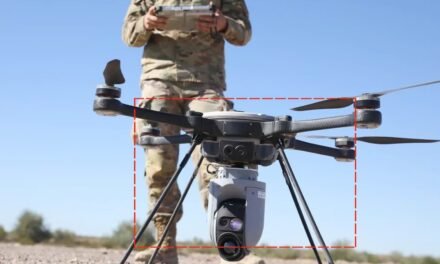
- Drones and unmanned vehicles for supply delivery in remote or dangerous areas.
- Example: Autonomous supply convoys to reduce risks to personnel.
C. Blockchain
- Enhances transparency and security in procurement and supply chain transactions.
- Example: Tracking the origin and movement of critical components.
D. Internet of Things (IoT)
- Sensors monitor equipment, inventory, and shipments in real time.
- Example: IoT-enabled tracking of perishable medical supplies.
E. Additive Manufacturing (3D Printing)
- Enables on-demand production of spare parts and components in field locations.
- Example: Printing replacement parts for damaged vehicles.