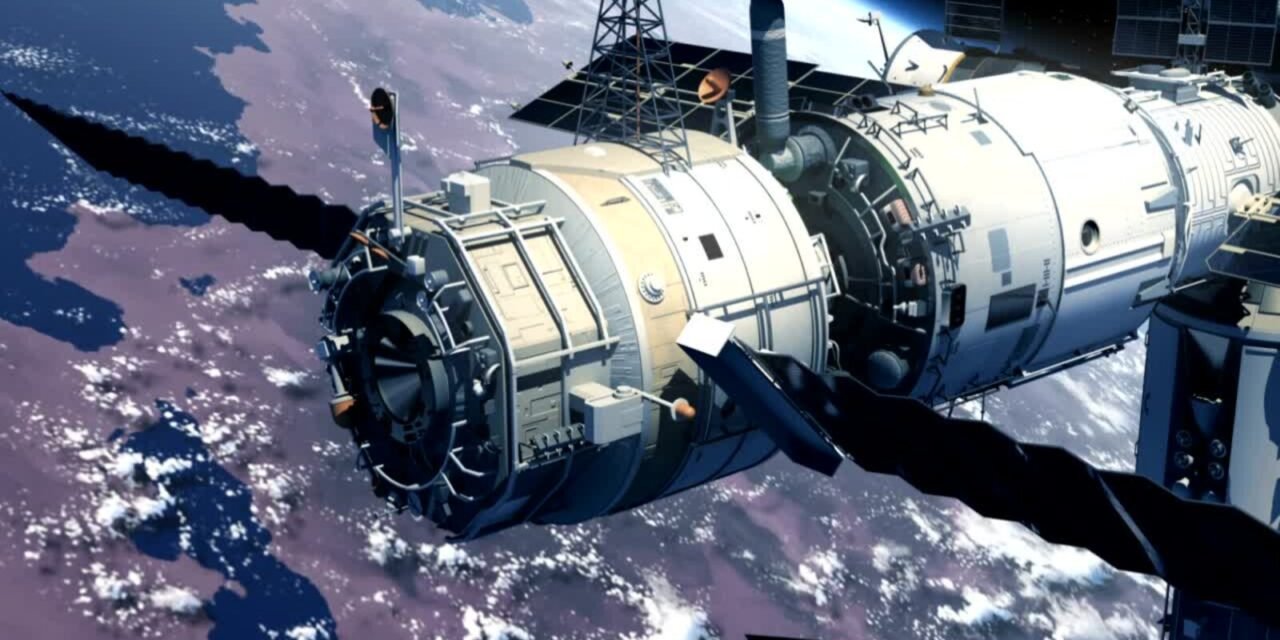
India has made history by becoming the fourth nation to successfully achieve space docking using an entirely indigenous system, marking a monumental achievement in the country’s space exploration program. The breakthrough was accomplished during the highly anticipated SpaDeX (Space Docking Experiment) mission, conducted by the Indian Space Research Organisation (ISRO). This feat places India alongside the United States, Russia, and China in mastering the complex technology of autonomous space docking.
The mission involved two small, indigenously developed satellites performing intricate maneuvers in orbit, including precise alignment, approach, and docking under microgravity conditions. ISRO’s advanced navigation and guidance systems, along with cutting-edge thruster technology, enabled the seamless operation. The success of SpaDeX demonstrates India’s capability to execute highly complex orbital operations autonomously.
Space docking is a critical milestone for future space missions, enabling the construction of modular space stations, on-orbit refueling, satellite servicing, and long-duration crewed missions. This achievement is expected to bolster India’s plans for an indigenous space station and deep-space exploration projects, such as the Gaganyaan human spaceflight program and interplanetary missions.
The indigenous development of the docking system also aligns with India’s ‘Atmanirbhar Bharat’ (Self-Reliant India) initiative, reducing reliance on foreign technologies and showcasing India’s growing expertise in advanced space technologies. The success of this mission solidifies India’s position as a key player in the global space community and opens new avenues for international collaborations in space exploration.