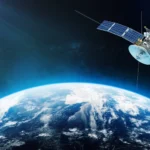
Cybersecurity measures in space-based systems are critical to protecting satellites, ground stations, and the data they transmit from hacking and other malicious activities. As space systems become increasingly integral to communication, navigation, military operations, and scientific exploration, ensuring their security is a top priority. Here’s how cybersecurity measures are implemented:
1. Securing Communication Links
A. Encryption
- Data Encryption:
- All communications between satellites, ground stations, and end-users are encrypted to prevent interception.
- Advanced encryption standards like AES-256 are commonly used.
- Key Management:
- Cryptographic keys are frequently updated and securely stored to avoid unauthorized access.
B. Frequency Hopping
- Transmissions switch between frequencies dynamically, making it difficult for adversaries to jam or intercept signals.
C. Authentication Protocols
- Two-Factor Authentication (2FA):
- Ensures that only authorized operators can send commands to the satellite.
- Mutual Authentication:
- Both the satellite and ground station verify each other’s identities before exchanging data.
2. Protection Against Unauthorized Access
A. Access Controls
- Role-Based Access Control (RBAC):
- Limits access to satellite systems and data based on an individual’s role or clearance level.
- Zero Trust Architecture:
- Assumes no component or user is inherently trusted, requiring continuous verification for access.
B. Physical Security
- Ground stations are secured with measures like biometric access, surveillance systems, and armed personnel to prevent physical breaches.
3. Safeguarding Onboard Systems
A. Firmware and Software Security
- Secure Boot:
- Ensures only authenticated and verified firmware and software can run on the satellite.
- Over-the-Air Updates:
- Enables patching of vulnerabilities while ensuring updates are authenticated to prevent tampering.
B. Hardware Security
- Tamper-Resistant Hardware:
- Components are designed to detect and respond to tampering attempts.
- Hardware-Based Encryption:
- Dedicated encryption hardware protects sensitive onboard data.
C. Intrusion Detection Systems (IDS)
- Onboard IDS monitor for anomalous behavior or unauthorized access attempts and alert operators.
4. Resilience and Recovery
A. Redundancy
- Critical systems have backups that can take over in case of a cybersecurity incident.
- Example: Redundant communication links and control systems.
B. Autonomous Defense
- AI-driven systems onboard satellites can autonomously detect, isolate, and counter cyber threats in real time.
C. Recovery Protocols
- Satellites are equipped with safe modes that allow operators to regain control during an attack.
- Example: Shutting down non-essential systems to prevent further compromise.
5. Ground Station Security
A. Network Security
- Firewalls and Intrusion Prevention Systems (IPS):
- Protect ground station networks from unauthorized access and cyberattacks.
- Segmentation:
- Isolates critical systems from non-critical ones to contain breaches.
- Virtual Private Networks (VPNs):
- Secure data transmission between distributed ground stations and operators.
B. Endpoint Protection
- Ensures computers and devices accessing ground systems are protected from malware and unauthorized access.
6. Mitigating Jamming and Spoofing
A. Anti-Jamming Techniques
- Beamforming:
- Directs communication signals to specific locations, reducing the effectiveness of jamming.
- Adaptive Power Control:
- Adjusts signal power to overcome interference.
- Spread Spectrum Communication:
- Disperses signals over a wide frequency range, making them harder to jam.
B. Anti-Spoofing Measures
- GNSS signals, such as those used in navigation, are authenticated to prevent spoofing attacks that mislead satellite systems.
7. Monitoring and Incident Response
A. Continuous Monitoring
- Satellites and ground stations are monitored 24/7 for anomalies and potential threats.
- AI and machine learning analyze data to detect patterns indicative of cyberattacks.
B. Incident Response Plans
- Predefined protocols guide operators on how to respond to various types of cyber incidents.
- Regular drills simulate attacks to test and improve response capabilities.
8. Collaboration and Regulation
A. International Standards
- Adherence to standards like ISO 27001 (information security management) and CCSDS (space communications protocols).
- Organizations like the International Telecommunication Union (ITU) and NASA promote cybersecurity best practices for space systems.
B. Partnerships
- Collaboration between government agencies, private companies, and academia to share intelligence on threats and develop robust defense strategies.
C. Regulatory Compliance
- National and international policies mandate cybersecurity measures for satellite operators.
- Example: U.S. Space Policy Directive-5 emphasizes cybersecurity for space systems.
9. Testing and Validation
A. Penetration Testing
- Ethical hacking simulates cyberattacks to identify vulnerabilities in space systems.
- Example: Testing command and control systems for potential exploits.
B. Simulation and Emulation
- Cyber ranges and virtual environments simulate space system architectures to test defenses against advanced threats.
10. Future Developments in Space Cybersecurity
- Quantum Encryption:
- Leveraging quantum communication for theoretically unbreakable encryption.
- AI-Enhanced Defense:
- Real-time threat detection and response using AI-driven algorithms.
- Blockchain:
- Securing data exchanges between satellites and ground stations through immutable and decentralized records.
- Space Situational Awareness (SSA):
- Integrating cybersecurity with SSA to monitor and protect against space-based threats, including cyberattacks on satellites.
Conclusion
Cybersecurity is a cornerstone of modern space-based systems, ensuring their reliability and resilience against evolving threats. Through robust communication protocols, onboard defenses, and international collaboration, space agencies and private operators are working to safeguard the critical infrastructure that underpins modern society. As space technology advances, so too will the strategies and innovations to secure it.
Hashtags
#SpaceCybersecurity #CyberSecureSatellites #SpaceSystemSecurity #SecureSpaceTech #CyberDefenseForSpace #AntiHackingMeasures #SatelliteHackingDefense #SpaceCyberThreats #ProtectingSpaceAssets #CyberAttackPrevention #AIInCyberSecurity #AdvancedCyberDefense #EncryptionForSpace #NextGenCyberTech #SmartSpaceDefense #SecureDataTransmission #GlobalSpaceCyberDefense